Contents
Turnover season is when mold problems in rental properties get discovered, usually by the next tenant instead of the landlord. A unit that sat with the air conditioning set to 80 degrees for three weeks between leases, a slow toilet leak nobody reported, or a dishwasher line that’s been dripping under the cabinet for months can all leave mold growth behind that’s easy to miss during a quick walkthrough. A proper mold inspection naples landlords schedule between tenants catches these issues before they become a tenant complaint, a bad review, or a liability claim.
Why Rental Turnover Is a High-Risk Window
Southwest Florida’s humidity does not pause between leases. If a unit sits vacant, even for a few weeks, with the AC off or set too high, indoor humidity can climb into the range where mold spores start colonizing drywall, baseboards, closet walls, and HVAC components. Add in any plumbing issue a departing tenant never mentioned, and you have the two ingredients mold needs: moisture and time.
Property managers and landlords also face a different kind of risk than homeowners. A tenant who moves into a unit with an existing mold problem can file complaints with code enforcement, withhold rent, or pursue legal action under Florida’s landlord-tenant statutes. Documenting the condition of a property with an inspection before a new lease begins protects the owner as much as it protects the resident.
What a Turnover Inspection Actually Covers
At Gulf Coast Mold Assessing & Remediation LLC, a visual inspection and service call runs $150 and includes a close look at the areas where rental units typically develop problems:
- Under sinks, behind toilets, and around washing machine connections
- HVAC supply vents, return air grilles, and the air handler closet
- Window tracks and sliding door thresholds, common entry points for wind-driven rain
- Baseboards and drywall near exterior walls, especially in ground-floor units
- Closets and bathrooms with limited airflow
If anything looks questionable, or if the unit has a history of leaks, humidity complaints, or storm exposure, we recommend adding air quality testing during that same visit. The $150 visual inspection fee is credited toward air sampling when it’s added at that time, so landlords aren’t paying twice to get a complete picture before handing over keys.
Thermal Imaging Catches What a Walkthrough Won’t
Moisture intrusion often shows up inside a wall or under flooring long before it’s visible on the surface. Infrared thermal imaging lets us scan walls, ceilings, and floors for temperature differences that indicate trapped moisture, without cutting into drywall. For multi-unit buildings or properties with a history of water intrusion, this step can identify a slow leak that a standard walkthrough would miss entirely, which matters when you’re trying to sign a new lease with confidence.
This kind of inspection is especially useful for landlords managing properties in Bonita Springs, Estero, or Marco Island, where older buildings and coastal humidity combine to create more frequent moisture issues than inland properties typically see.
Building an Inspection Routine Into Your Lease Cycle
Landlords who treat mold inspections as a routine part of turnover, rather than a reaction to a complaint, tend to spend less over time. A $150 service call is a small cost compared to a remediation project that starts because a leak went unnoticed for two lease cycles. Consider these habits:
- Schedule an inspection any time a unit will sit vacant longer than two weeks
- Request air quality testing after any plumbing repair or AC replacement
- Keep written documentation of inspection results for each turnover, useful for both insurance and tenant disputes
- Pay extra attention to ground-floor and waterfront units after hurricane season
For landlords managing several properties, our mold inspection and testing service and indoor air quality testing can be scheduled as a standing part of your turnover checklist. If a prior tenant’s unit shows active growth, our Naples mold remediation team can scope and handle removal before the next lease starts, so the unit isn’t sitting empty longer than it needs to be.
The EPA’s guidance on mold in buildings and the CDC’s mold resources are both useful background reading for landlords who want to understand moisture thresholds and health considerations in more depth: EPA mold resources and CDC mold guidance.
If you manage rental property anywhere in Naples, Marco Island, Bonita Springs, or Estero and want a turnover inspection scheduled before your next tenant moves in, call Gulf Coast Mold Assessing & Remediation LLC at 2392383061 or visit https://gulfcoast-mold.com to set up a visit.
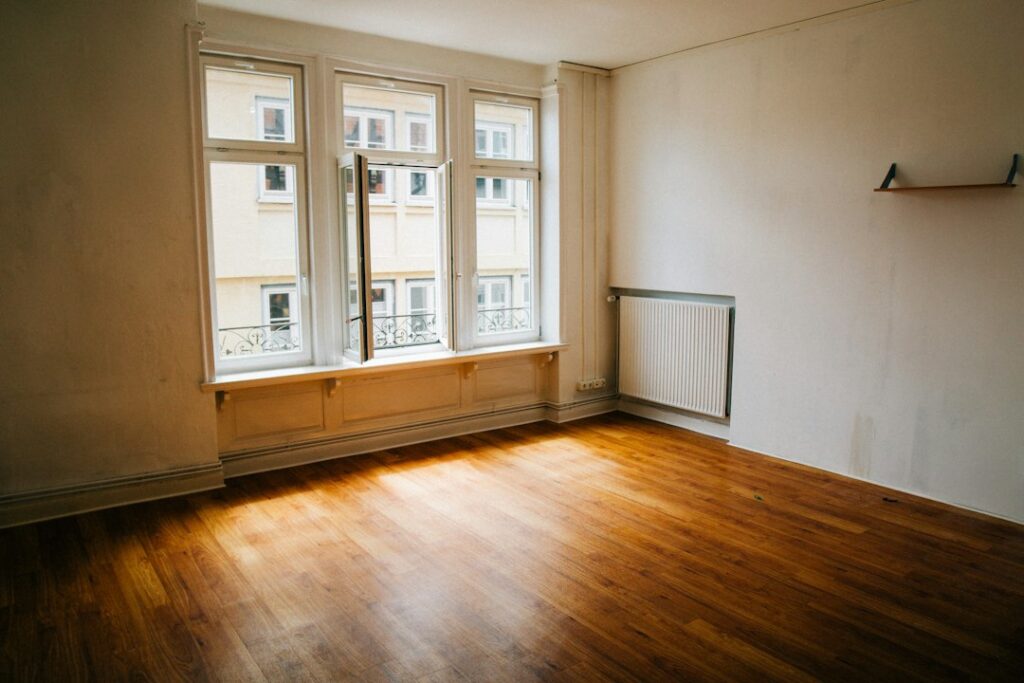
Photo by Christian Lue on Unsplash
Recent Posts
Why New Construction and Recently Renovated Homes in Naples Still Get Mold
A freshly painted wall or brand-new drywall doesn’t mean a home is mold-free. In fact,
Air Quality Test or Visual Mold Inspection? What Naples Homeowners Should Know
Not every mold concern requires the same starting point. Some homeowners need a technician to
Why a Mold Inspection Naples Buyers and Sellers Can Trust Belongs in Every Real Estate Deal
A real estate closing can fall apart over a musty smell in the lanai or