
Contents
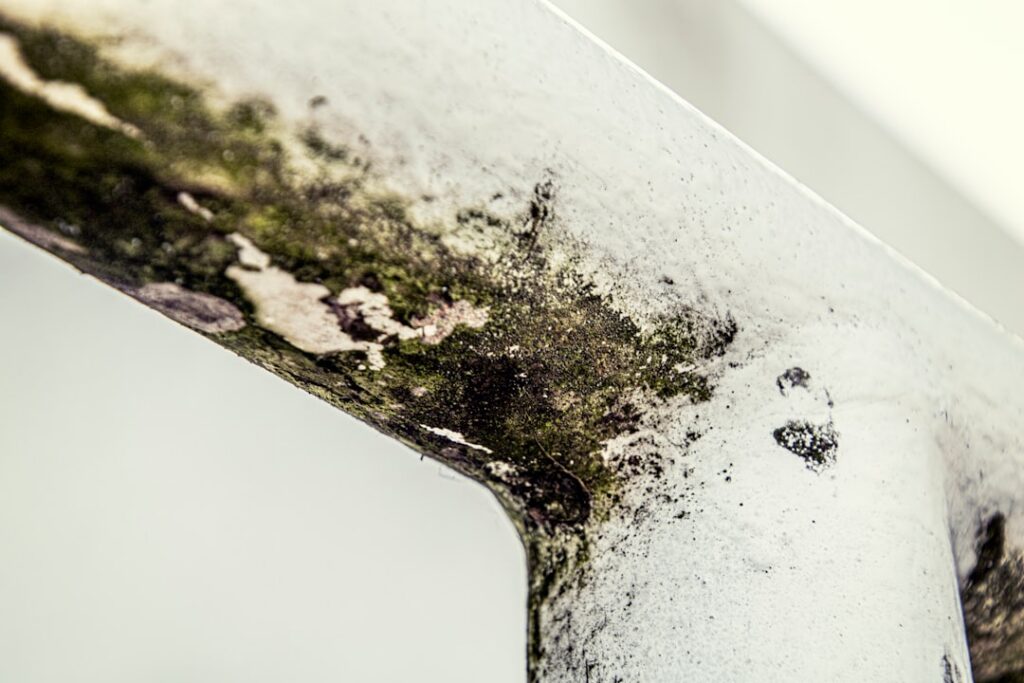
Mold on drywall is one of the most common problems we see at Gulf Coast Mold Assessing & Remediation across Naples and Southwest Florida. Between our humid subtropical climate, hurricane-driven water intrusion, and constant AC condensation, sheetrock is essentially a sponge waiting to grow mold. The tricky part is knowing when you can safely clean a small patch yourself and when the damage is too deep to handle without professional remediation.
Below, we’ll walk you through safe DIY steps, warning signs that indicate structural mold contamination, and when to call a licensed Florida mold assessor.
Can You Remove Mold from Drywall Yourself?
Sometimes, yes. If the mold covers less than 10 square feet and is limited to the paint or paper facing of the drywall — not soaked into the gypsum core — a careful DIY cleaning may be appropriate. The EPA’s mold guidelines use that same 10-square-foot threshold as the tipping point between homeowner cleanup and professional remediation.
Before you start, gather proper personal protective equipment (PPE):
- N95 respirator or better
- Nitrile gloves
- Safety goggles (unvented)
- Old clothing you can wash in hot water immediately after
- Plastic sheeting and painter’s tape to isolate the work area
Step-by-Step: Safely Cleaning Mold from Painted Drywall
If the drywall is still firm, dry, and the mold appears surface-level, follow these steps:
- Contain the area. Tape plastic sheeting over doorways and vents. Turn off your HVAC so spores don’t spread through the ductwork — a huge risk in Naples homes with central air.
- Do not sand or scrape aggressively. That aerosolizes spores. Instead, lightly mist the mold with water to reduce dust before cleaning.
- Clean with a detergent solution. The CDC recommends soap and water or a commercial mold cleaner — not bleach on porous surfaces like drywall. Bleach mostly discolors the mold without killing roots inside the gypsum.
- Dry thoroughly. Use fans and a dehumidifier for at least 48 hours. In SWFL humidity, this step is non-negotiable.
- Dispose of contaminated materials. Double-bag rags, sponges, and any drywall scraps before carrying them outside.
- Repaint with a mold-inhibiting primer once the surface is fully dry.
Warning Signs That Drywall Damage Requires Professional Remediation
Some drywall mold problems cannot be safely handled with a spray bottle and a rag. Call a licensed remediator if you notice any of these:
- Mold covering more than 10 square feet — the EPA’s DIY cutoff.
- Soft, crumbling, or bubbling drywall. This means water has saturated the gypsum core and mold is growing throughout, not just on the surface.
- Dark staining that returns after cleaning. Regrowth indicates hidden moisture or contamination behind the wall.
- Musty odors with no visible mold. Often, the colony is thriving inside the wall cavity, on insulation, or on framing.
- Post-hurricane or plumbing flood damage. Anything soaked longer than 24–48 hours is a candidate for full removal.
- Occupant health symptoms — coughing, headaches, sinus irritation, or asthma flare-ups. The Florida Department of Health outlines mold-related health concerns and when to seek professional help.
Professional remediation involves HEPA-filtered negative air containment, physical removal of affected sheetrock (typically 12–24 inches beyond visible contamination), antimicrobial treatment of framing, and post-remediation verification testing. This is not something a homeowner can replicate with hardware-store supplies.
Why SWFL Homes Are Especially Vulnerable
Naples, Marco Island, Bonita Springs, and Estero all share a climate that keeps indoor humidity high year-round. Add coastal storm surge, aging pipe fittings, and undersized AC systems, and you have the perfect conditions for hidden drywall mold. We regularly find contamination behind baseboards, under windowsills, and in laundry rooms — areas homeowners rarely inspect.
Gulf Coast Mold Assessing & Remediation serves the entire region, including Naples damage restoration, Marco Island mold remediation, Bonita Springs, and Estero. As a Florida-licensed assessment company, we identify the source, define the scope, and give you a clear remediation protocol — not a sales pitch.
When in Doubt, Get an Inspection First
If you’re not sure whether you’re dealing with surface mildew or a wall cavity full of active mold, don’t guess. An assessment before you tear into drywall saves money, prevents cross-contamination, and gives you documentation for insurance claims. Gulf Coast Mold offers a $149 onsite inspection (credited toward air sampling if you add it during the visit) throughout Collier and Lee counties.
Ready to know for certain what’s behind that stain? Call Gulf Coast Mold Assessing & Remediation at 239-238-3061 or schedule your onsite inspection at gulfcoast-mold.com. We’ll help you decide whether it’s a weekend DIY project — or a job that needs professional containment before it spreads any further.
Recent Posts
Why Vacant Snowbird Homes in Naples and Marco Island Grow Mold So Fast
If you own a seasonal home in Naples, Marco Island, or anywhere along the Southwest
Why Your Air Conditioner Might Be Growing Mold in Southwest Florida
Florida’s humidity doesn’t stop at the walls of your house. It gets pulled straight into
Why Bleach Doesn’t Kill Mold: What Actually Works for Naples FL Homes
Walk down any cleaning aisle in Naples and you’ll see rows of bleach bottles promising