
Contents
When disaster strikes, how quickly you respond can make all the difference in minimizing damage. Understanding rapid water extraction techniques is vital for effective emergency management. You’ll need to assess the situation, gather the right equipment, and implement a systematic approach. Each step you take matters, especially in preventing further complications like mold growth. What specific methods and tools can you employ to ensure a swift and thorough extraction?
Key Takeaways
- Quickly assess the extent of water intrusion to prioritize extraction efforts effectively.
- Utilize water pumps for large volumes and wet/dry vacuums for smaller areas.
- Remove furniture and valuables promptly to mitigate further damage during extraction.
- Deploy fans and dehumidifiers post-extraction to expedite drying and prevent mold growth.
- Ensure safety by wearing protective gear and conducting risk assessments before entering flooded areas.
Understanding Rapid Water Extraction Techniques
When emergencies strike, understanding rapid water extraction techniques becomes essential for minimizing damage and ensuring safety. You need to be proactive in your approach to water removal, especially in situations like flooding or burst pipes.
Start by evaluating the extent of the water intrusion; this helps prioritize your actions. Use pumps for large volumes of water, while portable vacuums work well for smaller areas. Don’t forget about mopping and towels for the final touches to ensure every drop is addressed.
Emergency preparedness means having a plan and knowing the right techniques. Familiarize yourself with your surroundings and potential risks.
Engage with your community to share knowledge and resources, creating a network of support. By being informed and ready, you protect your property and foster a sense of belonging among those who prepare together for emergencies.
Essential Equipment for Effective Water Removal
Evaluating your toolkit is key to effective water removal during emergencies. Having the right equipment speeds up the process, ensuring safety and efficiency. Two essential components are water pumps and extraction hoses. Water pumps help you remove large volumes of water quickly, while extraction hoses direct this water away from the affected area.
Here’s a quick overview of essential equipment:
| Equipment | Purpose | Key Features |
|---|---|---|
| Water Pumps | Remove water from flooded areas | High capacity, portable |
| Extraction Hoses | Transport water away | Durable, flexible |
| Wet/Dry Vacuums | Clear residual moisture | Multi-surface use |
| Dehumidifiers | Reduce humidity post-extraction | Energy-efficient |
Step-by-Step Process for Emergency Water Extraction
A systematic approach to emergency water extraction can greatly enhance your efficiency and effectiveness in mitigating damage.
Start by evaluating the situation to determine the extent of water damage and identify any hazards. Always prioritize safety in your emergency preparedness plan.
Next, gather your essential equipment, including a wet/dry vacuum, pumps, and fans.
Begin the extraction process by removing furniture and valuables from the affected area to prevent further damage. Use the wet/dry vacuum to extract standing water, taking care to follow the manufacturer’s guidelines. If the water level is high, a submersible pump may be necessary.
After removing the majority of water, deploy fans and dehumidifiers to expedite drying.
Monitor the area closely for residual moisture, as this can lead to mold growth. Document your progress for future reference, ensuring your emergency preparedness plan evolves with each experience.
Safety Precautions During Water Extraction
After extracting water, maintaining safety during the process is paramount. You need to start with a thorough risk assessment to identify potential hazards in the environment. Look for electrical sources, unstable surfaces, and contaminated water.
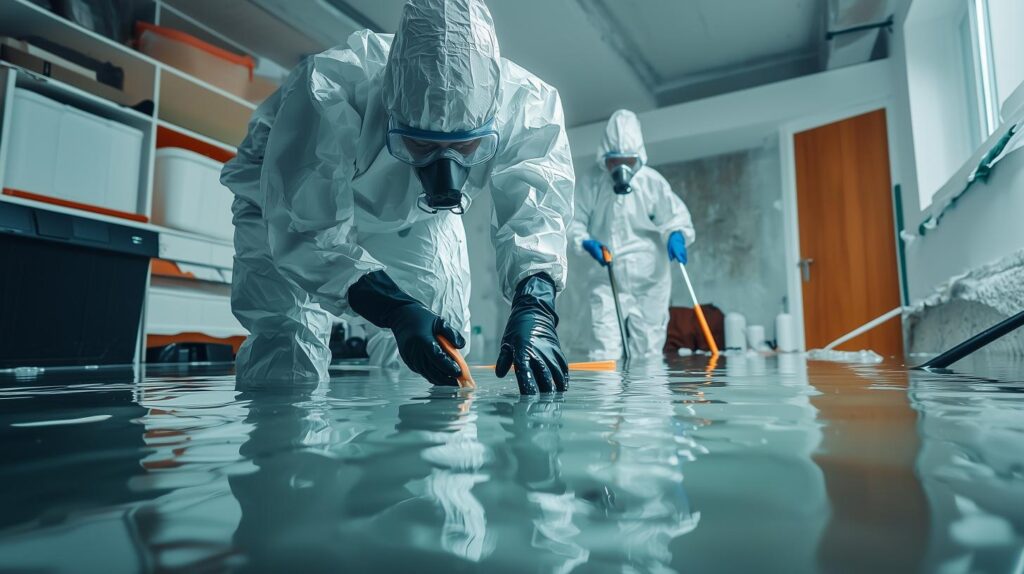
Equip yourself with appropriate safety gear—gloves, boots, goggles, and masks—to protect against harmful substances and physical injuries.
Ensure your team is aware of the safety protocols and emergency procedures, fostering a culture of belonging and shared responsibility. Regularly communicate about any changes or updates in the environment that could pose risks.
If you encounter standing water, remember that it can conceal dangers beneath the surface, so approach with caution.
Finally, stay hydrated and take breaks when needed; fatigue can lead to accidents. By prioritizing safety, you protect yourself and contribute to a secure environment for everyone involved in the extraction process.
Post-Extraction Process and Restoration Steps
Once the water extraction is complete, it’s crucial to initiate the post-extraction process promptly to mitigate further damage and ensure a thorough restoration.
You’ll want to perform a detailed post-extraction assessment to identify lingering issues like moisture or mold. Restoration planning comes next, outlining steps for repairs and ensuring a safe environment.
Here are key actions to take:
- Inspect and document damage to all affected areas.
- Dry out materials using dehumidifiers and fans to prevent mold growth.
- Clean and sanitize surfaces to eliminate contaminants.
- Consult professionals if structural repairs or specialized services are needed.
- Monitor the environment, checking for humidity levels and signs of mold resurgence.
Wrap-Up
In the chaos of water emergencies, it’s ironic how a swift response can feel like an uphill battle against nature’s relentless flow. By mastering rapid water extraction techniques, you’re not just battling the flood—you’re reclaiming your space and sanity. With the right equipment and a clear plan, you’re the hero in this watery saga, turning disaster into a manageable task. So, embrace the challenge, and remember: every drop you remove brings you one step closer to restoration.
Recent Posts
Why Vacant Snowbird Homes in Naples and Marco Island Grow Mold So Fast
If you own a seasonal home in Naples, Marco Island, or anywhere along the Southwest
Why Your Air Conditioner Might Be Growing Mold in Southwest Florida
Florida’s humidity doesn’t stop at the walls of your house. It gets pulled straight into
Why Bleach Doesn’t Kill Mold: What Actually Works for Naples FL Homes
Walk down any cleaning aisle in Naples and you’ll see rows of bleach bottles promising