
Contents
Florida’s humidity doesn’t stop at the walls of your house. It gets pulled straight into your air conditioning system every time the compressor kicks on, and that constant moisture load makes AC units one of the most common places we find mold growth during inspections in Naples, Bonita Springs, and Marco Island homes. If your air smells musty right after the AC cycles on, or you notice dark specks around the vents or the evaporator coil, the system itself may be the source rather than a wall or ceiling.
How AC Systems Become a Mold Breeding Ground
An air conditioner’s job is to pull moisture out of the air, which means condensation is constantly forming on the evaporator coil and dripping into the drain pan. In a properly maintained system, that water drains away quickly. But in Southwest Florida’s climate, a few things go wrong more often than in drier regions:
- Oversized or poorly sized units cool the air fast but don’t run long enough to dehumidify it properly, leaving indoor humidity above the 60% threshold where mold spores thrive
- Clogged condensate drain lines back up and hold standing water in the pan or ductwork
- Dirty air filters restrict airflow, causing coils to freeze and then drip excess water when they thaw
- Duct insulation that’s damaged or missing lets warm, humid attic air meet cold duct surfaces, creating condensation inside the ductwork itself
Once mold establishes itself on a coil or inside flexible ductwork, every time the system runs it can circulate spores through the living space. This is different from a surface mold problem on drywall because the contamination is inside a sealed, hard-to-reach system that keeps recontaminating the air even after a surface cleaning.
Signs the Problem Is in Your Ductwork or AC Unit
Homeowners often assume a musty smell means a leak somewhere in the walls, but an HVAC-related mold problem has some distinguishing signs. Watch for a smell that’s strongest right when the air handler starts, dust or debris blowing from vents, visible dark staining around supply registers, or unexplained allergy and respiratory symptoms that improve when you leave the house. Multiple occupants reporting headaches or congestion that clears up outdoors is also a common pattern we hear about during consultations.
Because ductwork and coils are hidden inside walls, attics, and closets, a visual inspection alone often isn’t enough. Gulf Coast Mold Assessing & Remediation LLC uses thermal imaging and moisture meters to trace where condensation is forming along duct runs and coil housings, combined with air sampling to confirm whether spore counts indoors are elevated compared to outdoor baseline levels. That combination is what separates a guess from an actual diagnosis.
What an Inspection and Air Sampling Actually Involve
An onsite visit starts with a walkthrough of the AC system, attic ductwork where accessible, and any rooms with reported odor or symptoms. We check the condensate drain and pan, inspect visible coil surfaces, and use infrared imaging to spot temperature differentials that often indicate moisture intrusion behind materials you can’t see directly. If mold is suspected inside the system itself, air sampling helps establish whether spore levels justify remediation or whether the fix is more straightforward, like clearing a clogged drain line or resealing duct insulation.
Onsite service calls are $150 (credited toward air sampling if you add it during the visit). That structure lets homeowners get a real diagnosis instead of paying full price twice if sampling turns out to be the right next step. You can read more about how sampling works on our indoor air quality testing page.
When Duct Cleaning vs. Remediation Makes Sense
Not every musty AC smell requires full remediation. Sometimes a professional air duct cleaning resolves the issue if contamination is limited to accessible duct interiors and the moisture source has been corrected. But if mold has colonized insulation, drywall around the air handler closet, or has spread beyond the ductwork into surrounding materials, remediation following our mold remediation process is the more honest recommendation. We’ll tell you which situation you’re in based on what the inspection actually shows, not based on which service costs more.
This is a particularly common issue for homeowners in Bonita Springs and Estero dealing with older HVAC systems or homes that sat with AC off for stretches after storms. If you manage a rental property, it’s also worth a look at how HVAC condition factors into our rental property mold testing guide.
Getting Ahead of It
Regular filter changes, annual professional AC servicing, and keeping indoor humidity below 60% with a properly sized system go a long way toward preventing this problem in the first place. The EPA’s mold resources and ASHRAE both publish guidance on humidity control and HVAC design that backs up what we see in the field daily.
If your AC smells off or you’ve noticed symptoms that seem tied to when the system runs, don’t guess. Gulf Coast Mold Assessing & Remediation LLC serves Naples, Marco Island, Bonita Springs, and Estero and can trace the problem to its actual source. Call 2392383061 or visit https://gulfcoast-mold.com to schedule an inspection.
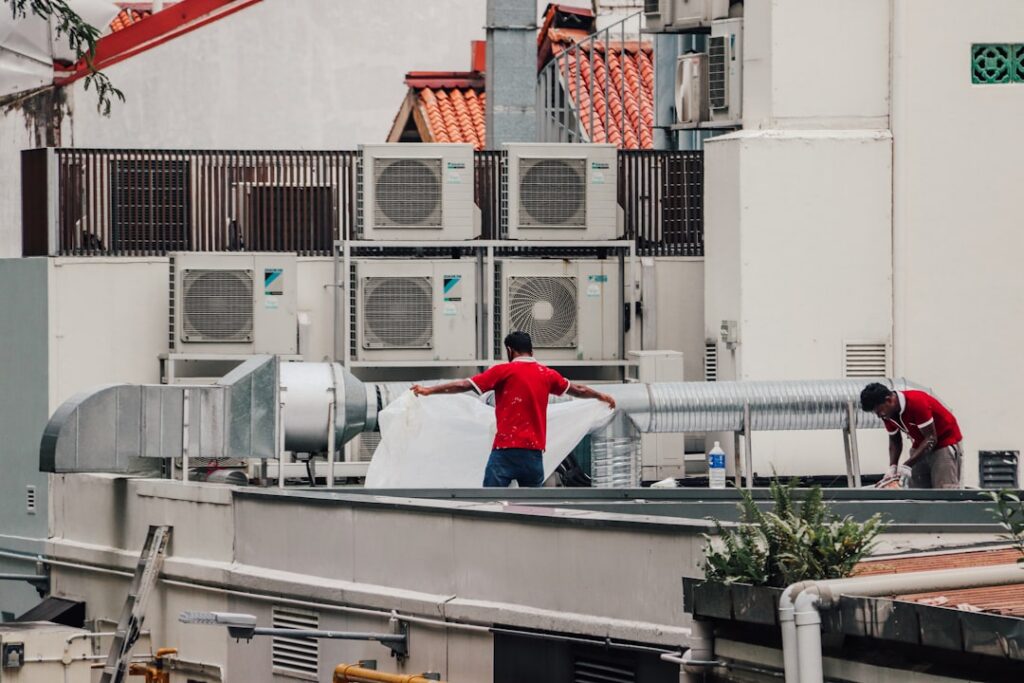
Photo by Singapore Stock Photos on Unsplash
Recent Posts
Why Bleach Doesn’t Kill Mold: What Actually Works for Naples FL Homes
Walk down any cleaning aisle in Naples and you’ll see rows of bleach bottles promising
Do Air Purifiers Actually Help With Mold? A Naples, FL Expert Guide to Indoor Air Quality
If you live in Naples, Marco Island, Bonita Springs, or anywhere in Southwest Florida, you’ve
Thermal Imaging for Mold Detection: How Infrared Cameras Find Hidden Moisture in Naples, FL Homes
In Southwest Florida’s humid climate, moisture problems don’t always announce themselves with visible stains or