
Contents
When storms strike, the aftermath of storm damage can be overwhelming. It’s vital to act quickly and methodically to minimize damage and ensure safety. From evaluating the situation to managing insurance claims, every step matters. You’ll need to know what to do first and how to navigate potential hazards. Let’s explore essential tips that will guide you through this challenging process and help you regain control.
Key Takeaways
- Assess damage quickly and document it with photos and notes for insurance claims and recovery efforts.
- Prioritize safety by wearing protective gear and identifying hazards before starting cleanup.
- Remove standing water promptly to prevent further damage and health risks.
- Use fans and dehumidifiers to facilitate drying and prevent mold growth in affected areas.
- Engage professionals for thorough damage assessment and assistance with navigating the insurance claims process.
Assess the Damage Quickly
When a storm hits, it’s essential to assess the damage quickly to ensure your safety and begin the recovery process.
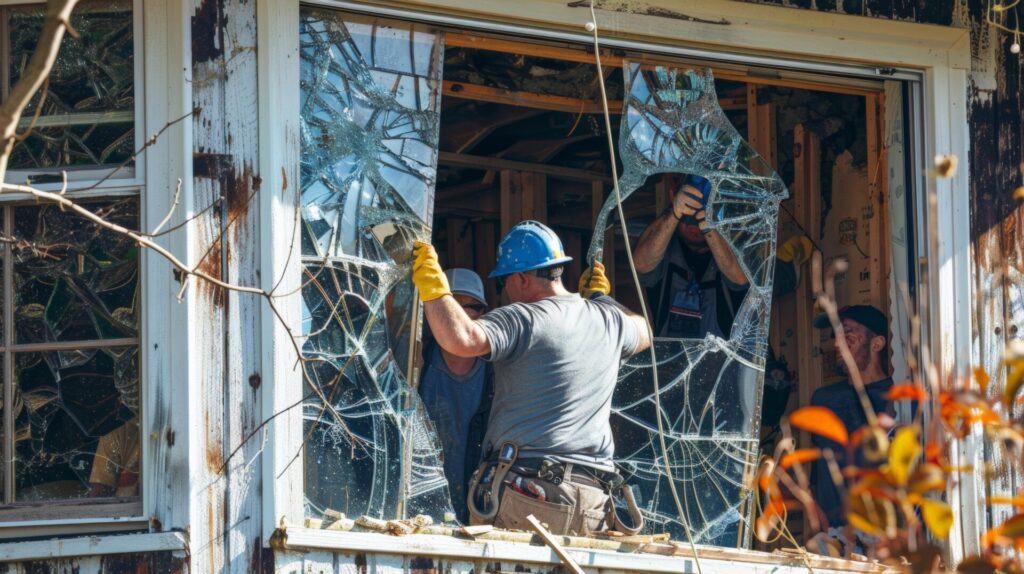
Start by using effective damage assessment techniques to identify any structural issues in your home or property. Look for visible signs of damage, like broken windows, fallen branches, or leaks. Employ rapid evaluation methods to prioritize areas that need immediate attention.
Take notes or photos to document the damage; this will help when you file insurance claims or seek assistance.
Don’t hesitate to involve neighbors or local community members—sharing experiences and resources can foster a sense of belonging during challenging times.
Prioritize Safety First
When you’re facing storm damage, safety should always come first.
Assess your surroundings for hazards like downed power lines or unstable debris before you start cleanup.
Don’t forget to wear protective gear, like gloves and sturdy boots, to keep yourself safe while you work.
Assess Hazards Immediately
As you begin the cleanup process after a storm, evaluating hazards should be your top priority to ensure everyone’s safety.
Start with hazard identification—look for downed power lines, unstable structures, and sharp debris. Take a moment to assess your surroundings before jumping into action. Your immediate response can make a difference, so don’t hesitate to alert others about potential dangers.
Remember, it’s vital to prioritize the safety of you and those around you. Communicate clearly with your neighbors and offer support; we’re all in this together.
Use Protective Gear
Using protective gear is essential for ensuring your safety during storm cleanup.
When you’re out there, facing the aftermath, you want to be prepared. Here are four must-have items:
- Protective Clothing: Wear heavy-duty clothing to shield yourself from sharp debris and hazardous materials.
- Safety Goggles: Protect your eyes from dust, flying particles, and any potential chemicals.
- Sturdy Gloves: Use durable gloves to safeguard your hands while handling debris and tools.
- Steel-Toed Boots: Invest in boots that can protect your feet from falling objects and provide traction on slippery surfaces.
Shut Off Utilities if Necessary
If you notice any safety risks after a storm, it’s essential to shut off your utilities as needed.
First, identify the locations of your utility shut-off valves, and then follow local regulations carefully to ensure safety.
Taking these steps can help prevent further damage and protect you and your property.
Assess Safety Risks First
Before diving into cleanup efforts, it’s vital to assess safety risks, especially if you’ve experienced significant storm damage.
Following proper safety protocols is important for protecting yourself and your loved ones. Here are some steps for your risk assessment:
- Check for downed power lines: Stay at least 30 feet away from any fallen lines.
- Inspect your home’s structure: Look for visible damage that may compromise safety.
- Evaluate flood risk: Be cautious of standing water, which may hide hazards.
- Wear protective gear: Use gloves, hard hats, and masks to shield against debris and contaminants.
Taking these precautions helps ensure your safety as you begin the cleanup process.
Identify Utility Shut-Off Locations
How can you ensure your safety while dealing with storm damage? Start by identifying utility shut-off locations in your home. Knowing where to turn off gas, water, and electricity can prevent further hazards.
Create a utility mapping plan and keep it accessible for you and your family. If you suspect any damage, don’t hesitate to shut off utilities before entering risky areas.
Make sure you have emergency contacts saved on your phone, so you can quickly reach out for help if needed.
By taking these precautions, you protect yourself and foster a sense of security for those around you.
Follow Local Regulations Carefully
After identifying utility shut-off locations, it’s important to follow local regulations when dealing with storm damage. Ignoring these compliance guidelines can lead to hazards or additional damage.
Here are the key steps to ensure you stay compliant:
- Check with Local Authorities: Always consult your city or county’s emergency management office for specific instructions.
- Document Your Actions: Keep a record of any utilities you shut off and when. This helps with insurance claims.
- Use Professional Help When Needed: If you’re unsure about the safety of your home, call a professional to assess the situation.
- Stay Updated: Follow local news for updates on safety regulations and restoration efforts.
Document the Damage
As you begin the cleanup process, documenting the damage is essential for insurance claims and recovery efforts. Start with a thorough damage assessment, noting each affected area.
Take clear, detailed photographs of the damage from multiple angles. This photographic evidence will help illustrate the extent of the destruction and support your case with your insurance provider.
Don’t forget to capture any personal items that were affected, as these often hold significant emotional value.
Write down notes about the circumstances surrounding the damage, including dates and times. These details can make a difference when filing claims.
Remove Standing Water Promptly
Once you’ve documented the damage, it’s time to tackle any standing water. Prompt standing water removal is essential to prevent further damage and health risks. Here’s how to get started:
- Assess the Area: Identify the extent of standing water and any potential hazards like debris or electrical issues.
- Prioritize Safety: Always wear protective gear, including boots and gloves, to safeguard against contaminants.
- Use Flood Prevention Strategies: Consider applying sandbags or other barriers to control the flow of water in the future.
- Call for Help: If the water is extensive, don’t hesitate to reach out to professionals who can assist effectively.
Taking these steps helps in the immediate cleanup and fosters a sense of community as you work towards recovery.
Use Appropriate Equipment
Using appropriate equipment is vital for effective storm damage cleanup. You’ll want to ensure you have the right tools to tackle the mess left behind. This includes heavy-duty trash bags, shovels, and wet/dry vacuums to remove debris and water.
Regular equipment maintenance is critical; check your tools before use to make certain they’re in good working order. Nothing’s worse than finding out your vacuum isn’t functioning when you need it most.
Proper storage of your equipment can greatly extend its lifespan. Keep tools in a dry, accessible location to prevent rust and damage.
Having everything organized means you can grab what you need quickly when disaster strikes. Remember, you’re not alone in this; many people face similar challenges, and sharing your experiences can foster a sense of community.
Equip yourself well, and you’ll be ready to handle whatever storm comes your way.
Dry Out the Affected Areas
After you’ve gathered your tools and equipment, it’s time to focus on drying out the affected areas. Effective moisture removal is vital to prevent further damage.
Here are some essential drying techniques you can use:
- Ventilate: Open windows and doors to increase air circulation and help evaporate moisture.
- Dehumidify: Use dehumidifiers in affected spaces to extract excess moisture from the air.
- Use Fans: Set up fans to promote airflow, especially in corners or behind furniture where moisture may linger.
- Remove Wet Materials: Take out soaked carpets, rugs, or furniture to speed up the drying process.
Prevent Mold Growth
To effectively prevent mold growth, it’s essential to act quickly and decisively in the aftermath of storm damage. Mold can develop rapidly in damp environments, so employing mold prevention techniques and humidity control methods is crucial.
Here’s a quick guide to help you stay on track:
| Action | Description | Frequency |
|---|---|---|
| Inspect Areas | Check for leaks and damp spots | Daily |
| Ventilate | Open windows and use fans | As needed |
| Dehumidify | Use dehumidifiers in affected rooms | Continuously |
| Clean Surfaces | Wipe surfaces with mold-inhibiting solutions | Weekly |
| Monitor Humidity | Keep levels below 60% | Daily |
Contact Professionals for Help
When storm damage strikes, it’s essential to recognize that some situations are best handled by professionals. While you may want to tackle the cleanup yourself, professional services can provide the expertise and efficiency needed during such critical times.
Here are four reasons to contemplate reaching out for emergency response:
- Safety First: Professionals are trained to assess hazardous conditions and protect themselves while cleaning up.
- Specialized Equipment: They’ve access to advanced tools and techniques to expedite the restoration process.
- Comprehensive Cleanup: Experts can efficiently handle debris removal, water extraction, and mold prevention, ensuring thorough damage assessment.
- Insurance Guidance: Many professionals can help navigate the insurance process, making your recovery smoother.
Don’t hesitate to lean on these resources. It’s okay to seek help; it’s what connects us as a community during tough times.
Review Insurance Coverage and Claims
After a storm, it’s essential to review your insurance coverage to understand your policy limits.
Make sure you document any damage thoroughly to support your claims.
Don’t wait too long to file; prompt action can help speed up the recovery process.
Understand Policy Limits
Steering through the aftermath of storm damage can be overwhelming, but understanding your insurance policy limits is essential for effective recovery.
To navigate the claim procedures smoothly, keep these points in mind:
- Know your coverage: Familiarize yourself with what’s included and excluded in your policy.
- Review policy exclusions: Identify specific damages not covered to avoid surprises during the claim process.
- Understand limits: Be aware of the maximum amount your insurer will pay for various types of damages.
- Contact your agent: Don’t hesitate to reach out for clarification on any confusing terms or conditions.
Understanding these elements will empower you, ensuring you’re prepared for what lies ahead in your recovery journey.
Document Damage Thoroughly
To effectively navigate the claims process, you’ll need to document the storm damage thoroughly. Start by creating a detailed damage inventory, listing all affected areas and items. This will help you understand the extent of the loss and ensure that nothing is overlooked.
Don’t forget to take photographic evidence—clear, well-lit images of the damage can greatly support your claim. Capture wide shots to show the overall impact, along with close-ups of specific damage.
Remember, the more detailed your documentation, the smoother the process will be when you approach your insurance company. By being organized and thorough, you’ll strengthen your claim and gain peace of mind during this challenging time.
You’re not alone in this; many are facing similar struggles.
File Claims Promptly
Once you’ve documented the damage, it’s time to file your claims promptly. The claim process can feel overwhelming, but getting started early helps you recover faster.
Here’s how to navigate it effectively:
- Review Your Policy: Understand your coverage and what damages are included.
- Gather Insurance Documentation: Collect all relevant paperwork, including photos and repair estimates.
- Contact Your Insurer: Reach out to your insurance company to initiate the claim process and ask any questions.
- Follow Up: Stay in touch with your adjuster to ensure your claim is processed smoothly.
Filing promptly speeds up recovery and gives you peace of mind.
You’re not alone in this; your community is here to support you.
Review
In the end, dealing with storm damage might feel like a never-ending headache, but with these tips, you can tackle it head-on. It’s ironic how nature’s fury can teach us the importance of preparedness and safety. By taking swift action, staying organized, and knowing when to call in the pros, you can navigate the chaos with confidence. So, while storms may bring destruction, your proactive approach can lead to a smoother recovery—who knew that could be so empowering?
Recent Posts
Why Choose 24/7 Water Extraction for Storm Damage?
When storms hit, you need a swift response to prevent further damage to your property.
7 Tips for Fast Water Extraction After Storms
Many people underestimate the urgency of swift water extraction after a storm, yet it can
How to Handle Storm Damage Water Extraction
When storms hit, the aftermath can leave your property vulnerable to extensive water damage. You