
Contents
After a storm, you must act quickly to minimize storm damage and ensure safety. Start by evaluating the property for any hazards and prioritizing your safety before tackling the cleanup. Knowing how to efficiently remove standing water and dry affected areas is vital. You’ll also want to take steps to prevent future damage. Understanding these strategies can make a significant difference in your recovery efforts. What’s the first step you should take?
Key Takeaways
- Conduct a visual inspection to identify and document damage for insurance claims, focusing on key areas like roofs and windows.
- Prioritize safety by wearing PPE and checking for hazards like downed power lines before starting cleanup.
- Remove standing water quickly using submersible pumps and wet vacuums to prevent further damage and mold growth.
- Dry affected areas thoroughly with dehumidifiers and fans, monitoring moisture levels to ensure complete drying.
- Regularly maintain property and create an emergency plan to minimize future storm damage risks.
Assessing the Damage Quickly
As you begin to assess the damage, it’s crucial to approach the situation methodically to ensure no critical elements are overlooked.
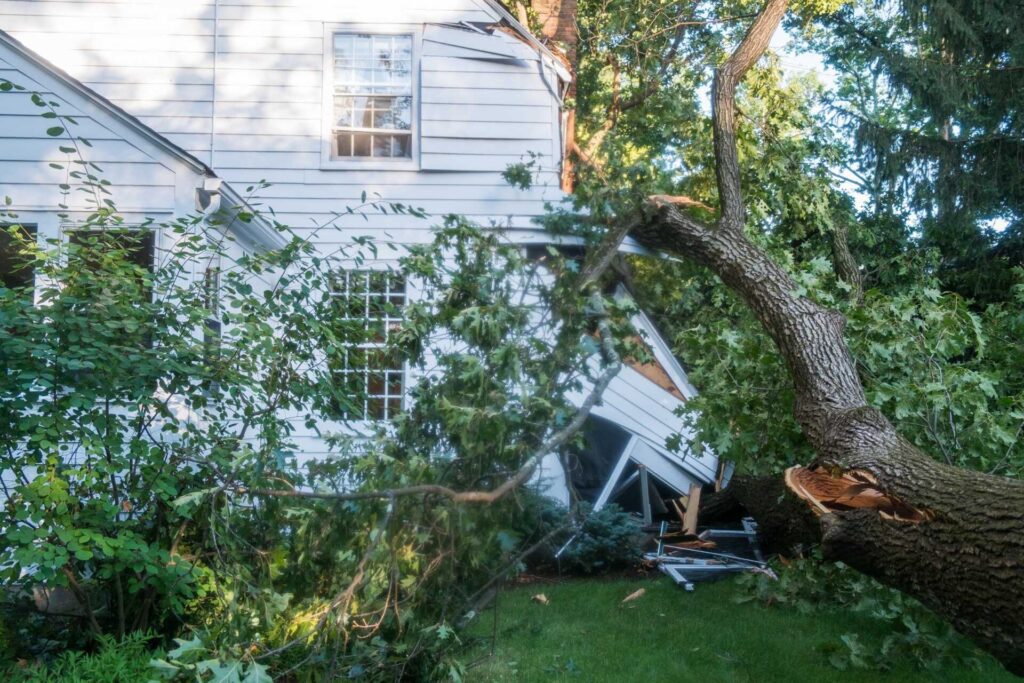
Start with a thorough visual inspection of your property, noting any visible destruction. Look for downed branches, roof damage, or broken windows, as these are often the most apparent signs of impact.
Next, conduct a damage evaluation to determine the extent of the harm. This involves checking structural integrity and identifying potential hazards, such as exposed wires or unstable debris.
Document your findings with photos and notes, as this will aid in insurance claims and future repairs.
Don’t rush through this process; taking the time to be thorough will pay off in the long run.
Prioritizing Safety First
After evaluating the damage, your next step is to prioritize safety. It’s vital to protect yourself and others before diving into cleanup efforts.
Here are three essential actions to take:
Wear Personal Protective Equipment (PPE): Equip yourself with gloves, sturdy boots, and safety goggles to shield against sharp debris and hazardous materials.
Assess Hazards: Check for downed power lines, gas leaks, or unstable structures. If you identify any dangers, don’t hesitate to evacuate the area and call for professional assistance.
Keep Emergency Contacts Handy: Stay connected with local authorities or emergency services. Having these numbers accessible ensures you can get help quickly if needed.
Removing Standing Water Efficiently
When standing water accumulates, addressing it promptly is essential to prevent further damage and health risks. Start by evaluating the area to determine the best approach for removal.
Utilize effective pumping techniques to extract water quickly; submersible pumps are particularly useful for deeper pools. Make sure your drainage systems are clear and functional to facilitate a swift exit for the water.
If you’re dealing with a larger area, consider using a combination of pumps and wet vacuums to ensure thorough removal. Don’t forget to monitor the weather; additional rain can reverse your efforts.
After you’ve removed the bulk of the water, check for any remaining puddles and address them with mops or towels. By following these steps, you protect your property and foster a sense of community by ensuring your space is safe for everyone.
Drying and Dehumidifying Affected Areas
Once you’ve effectively removed standing water, the next step is to dry and dehumidify the affected areas to prevent mold growth and structural damage.
Here’s how you can ensure a thorough drying process:
Choose the Right Dehumidifier: Make certain to select a dehumidifier suited for the size of the affected area. Look for one with a high capacity to handle excess moisture effectively.
Increase Air Circulation: Open windows and use fans to promote airflow, which will assist in drying surfaces faster. This step complements the dehumidifier’s efforts.
Conduct Moisture Monitoring: Regularly check moisture levels with a hygrometer. Keeping track ensures you’re aware of lingering dampness and can act promptly.
Preventing Future Damage
To effectively prevent future storm damage, it’s crucial to assess your property’s vulnerabilities and take proactive measures. Begin with a thorough inspection of your landscape. Regular landscape maintenance can help strengthen trees and shrubs, reducing the risk of them falling during storms. Additionally, create an emergency planning strategy that includes a detailed evacuation route and vital supplies.
| Action Item | Frequency | Benefits |
|---|---|---|
| Inspect trees | Bi-annually | Identify weak branches |
| Clear gutters | Seasonally | Prevent water damage |
| Review emergency kit | Annually | Ensure readiness in crises |
Review
In the aftermath of a storm, swift and methodical cleanup isn’t just a choice; it’s a necessity. By evaluating damage, prioritizing safety, efficiently removing water, and drying affected areas, you’re not just restoring your property—you’re safeguarding your future. Think of it this way: a proactive approach today can save you from costly repairs tomorrow. Don’t wait for the next storm to take action; implementing preventive measures now ensures peace of mind when it matters most.
Recent Posts
Why Choose 24/7 Water Extraction for Storm Damage?
When storms hit, you need a swift response to prevent further damage to your property.
7 Tips for Fast Water Extraction After Storms
Many people underestimate the urgency of swift water extraction after a storm, yet it can
How to Handle Storm Damage Water Extraction
When storms hit, the aftermath can leave your property vulnerable to extensive water damage. You