
Contents
When storms hit, the aftermath can leave your property vulnerable to extensive water damage. You need to act fast to assess the situation and determine the structural integrity of your space. Using powerful pumps and specialized tools is critical for effective water extraction. As you navigate this process, safety precautions are vital. Understanding each step ensures that you prevent mold growth and future issues. Let’s explore how to tackle this challenge efficiently.
Key Takeaways
- Assess and document storm damage before starting water extraction to understand the extent of the problem.
- Use powerful pumps and specialized extraction tools for efficient removal of standing water.
- Set dehumidifiers to maintain relative humidity between 30-60% and enhance airflow with fans for quicker drying.
- Regularly monitor moisture levels with a moisture meter to ensure all areas are completely dry.
- Implement preventive measures like maintaining drainage systems and using water-resistant materials to avoid future damage.
Assessing the Damage After a Storm
After a storm, evaluating the damage is vital to determine the extent of water intrusion and the potential risks involved.
Begin your storm assessment by inspecting your property thoroughly. Check for visible signs of water damage, such as wet walls, ceilings, and flooring. Document these areas with photos for accurate damage evaluation.
Next, assess structural integrity. Look for sagging beams or cracks that could indicate serious issues. Don’t forget to check your basement and crawl spaces, as these are often the first areas to flood.
If you find mold or mildew, note its location and extent, as these can pose health risks. Confirm you also inspect appliances and electrical systems, as water can create hazards.
Finally, compile all findings into a report. This detailed documentation will be vital for insurance claims and restoration efforts, helping you reclaim your space and peace of mind efficiently.
Importance of Immediate Water Extraction
Once you’ve assessed the damage, immediate water extraction becomes a top priority to prevent further complications. In the storm aftermath, standing water can lead to structural damage, mold growth, and health hazards.
The quicker you initiate water removal, the better your chances of minimizing these risks. Utilizing powerful pumps and extraction equipment will ensure efficient removal of excess water, safeguarding your property and belongings.
It’s essential to act fast, as the longer water remains, the more difficult it becomes to salvage affected areas. Within 24 to 48 hours, mold can begin to proliferate, creating an unsafe environment.
By prioritizing immediate water extraction, you’re not just protecting your investment; you’re also fostering a sense of community by ensuring your home remains a safe haven for yourself and your loved ones.
Safety Precautions During Water Removal
Before you start water removal, prioritize your safety by wearing appropriate personal protective equipment like gloves and waterproof boots.
Verify all electrical sources are turned off to prevent shock hazards, and remain alert for any hazardous materials that may have mixed with the floodwater.
Taking these precautions will safeguard your health and enhance the effectiveness of the extraction process.
Personal Protective Equipment
When tackling storm damage water extraction, ensuring your safety is paramount, and using the right personal protective equipment (PPE) is essential.
Start with protective gear like waterproof boots and gloves to shield your skin from contaminants. A sturdy mask is vital to filter out harmful airborne particles, while goggles protect your eyes from debris.
Wearing a hard hat can prevent injuries from falling objects, particularly in structurally compromised areas. Make sure your PPE meets safety standards relevant to your location and situation.
Prioritize your well-being by regularly checking your gear for wear and tear. With proper protective equipment, you safeguard yourself and set a standard for others, fostering a culture of safety in storm recovery efforts.
Electrical Safety Measures
As you begin the process of water removal after a storm, it’s crucial to prioritize electrical safety to prevent hazards like electrocution or electrical fires.
Start by turning off the main power supply to your home to eliminate potential electrical hazards.
Before you enter any flooded area, conduct thorough circuit inspections to assess the condition of electrical outlets and appliances. Look for signs of damage, such as frayed wires or water intrusion.
If any issues arise, consult a licensed electrician for professional assistance. Use battery-operated tools to minimize the risk of electrical shock.
Hazardous Material Awareness
While you’re focused on extracting water from storm-damaged areas, it’s essential to remain vigilant about hazardous materials that may be present. Floodwaters can contain chemicals, sewage, and other contaminants that pose serious health risks.
To ensure your safety, follow established safety protocols: wear appropriate personal protective equipment (PPE), such as gloves, masks, and boots. Before starting extraction, identify potential hazardous materials in the area, such as pesticides or fuel spills.
If you encounter any unknown substances, avoid direct contact and consult local authorities for proper disposal procedures. Always have a first-aid kit on hand and keep emergency contacts readily accessible.
Equipment Used for Effective Water Extraction
When tackling storm damage water extraction, you need to rely on powerful pumps to quickly remove standing water.
Advanced dehumidifiers play a crucial role in reducing humidity and preventing mold growth, while specialized extraction tools ensure thorough cleaning of affected areas.
Understanding the function of each piece of equipment will enhance your efficiency and effectiveness in the recovery process.
Powerful Pumps Overview
Understanding the various types of powerful pumps available is crucial for effective water extraction after storm damage. Choosing the right pump can make a significant difference in your recovery efforts.
Here are three key types to take into account:
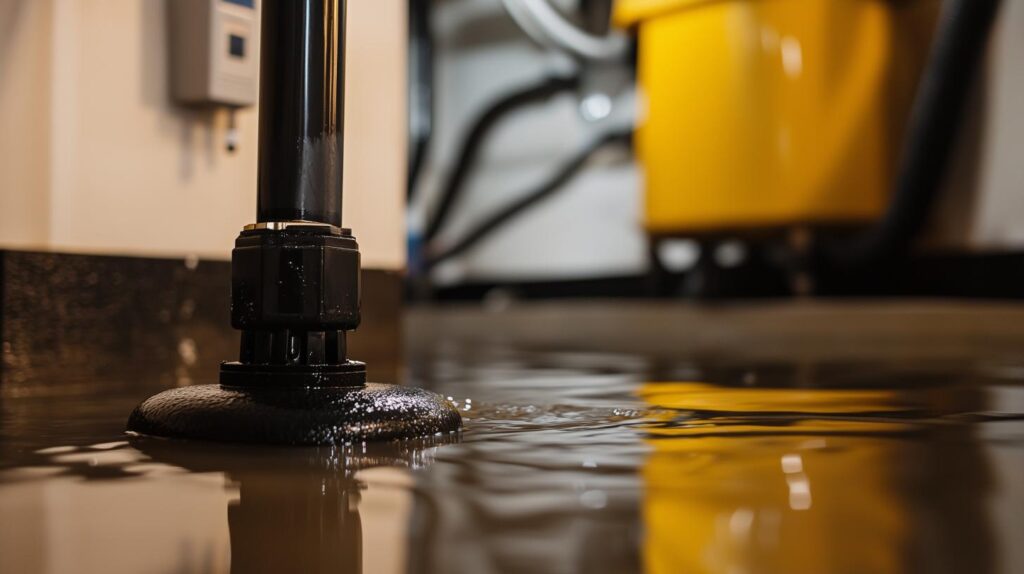
Sump Pumps: Ideal for keeping basements dry, these pumps remove water that accumulates in sump pits, preventing flooding and damage.
Submersible Pumps: Designed to operate underwater, these pumps can handle larger volumes of water quickly, making them effective for significant flooding situations.
Portable Pumps: Offering versatility, these pumps can be moved to different locations as needed, providing targeted extraction in various areas of your property.
Selecting the right pump ensures you’re equipped to tackle water damage effectively and restore your space with confidence.
Advanced Dehumidifiers Functionality
To effectively manage the aftermath of storm damage, advanced dehumidifiers play an essential role in restoring your space.
These units come in various advanced dehumidifier types, each designed for specific conditions and moisture levels. For instance, refrigerant dehumidifiers excel in warmer environments, while desiccant models are ideal for colder or heavily saturated areas.
You’ll want to implement moisture control techniques that suit your unique situation, ensuring the best results. By maintaining proper humidity levels, these machines help prevent mold growth and structural deterioration, making your environment safer and more comfortable.
Investing in the right dehumidifier speeds up the drying process and protects your home and belongings from long-term damage, fostering a sense of security and belonging.
Specialized Extraction Tools
Advanced dehumidifiers are just one part of the equation when it comes to effective water extraction after storm damage.
To truly tackle the issue, you’ll need specialized extraction tools that enhance your extraction techniques. Here are three essential tools to take into account:
Submersible Pumps: These powerful pumps quickly remove standing water, reducing damage and preventing mold growth.
Wet/Dry Vacuums: Versatile and efficient, these vacuums handle various debris and excess moisture, making them indispensable for post-storm clean-up.
High-Pressure Water Extractors: Ideal for carpets and upholstery, they restore materials by thoroughly extracting moisture.
Don’t forget tool maintenance; keeping your equipment in top shape ensures peak performance during critical times.
With the right tools, you’ll feel empowered to manage storm damage effectively.
Steps for Performing Water Extraction
Once you’ve assessed the extent of the storm damage, it’s crucial to act quickly to perform water extraction effectively.
Begin by gathering your specialized tools—like pumps and wet vacuums—tailored for water removal techniques. Start with the highest points of water accumulation, using your extraction methods to vacuum up standing water. Work methodically, creating a path to ensure all areas are addressed.
Next, check for hidden pockets of moisture, especially in corners or under furniture. These areas often require additional attention to prevent mold growth. After vacuuming, use absorbent materials to soak up residual moisture.
Monitor the process closely, adjusting your approach based on the volume of water extracted.
Drying and Dehumidification Process
After successfully extracting the water, the next step in restoring your home involves drying and dehumidification. This process is essential to prevent mold growth and further damage.
Here’s how to effectively manage it:
Set the Right Dehumidifier Settings: Adjust your dehumidifier to the ideal level, typically between 30-60% relative humidity, to efficiently remove moisture from the air.
Use Fans for Air Circulation: Position fans strategically to enhance airflow, helping to dry out wet surfaces more quickly.
Conduct Moisture Monitoring: Regularly check moisture levels in affected areas using a moisture meter. This helps you gauge your progress and ensures your home is completely dry.
Preventing Future Water Damage
To effectively prevent future water damage, you need to take proactive steps that address both the vulnerabilities in your home and the potential sources of water intrusion.
Start by using water-resistant materials in areas prone to moisture, such as basements and bathrooms. These materials can greatly reduce the risk of damage.
Next, verify your drainage systems are functioning properly. Clean gutters and downspouts regularly to prevent overflow, and consider installing French drains or sump pumps if you live in a flood-prone area.
Additionally, inspect your roof for missing shingles or damage, as leaks can lead to considerable problems.
Don’t forget to seal cracks in your foundation and walls, which can allow water to seep in.
Final Thoughts
You must act swiftly, assess thoroughly, and extract efficiently. By prioritizing immediate water removal, utilizing powerful equipment, and implementing drying techniques, you can safeguard your space from further damage. Monitor moisture levels diligently, document your process meticulously, and always wear appropriate safety gear. With a proactive approach, you’ll restore your property and prevent future issues, ensuring peace of mind in the face of nature’s challenges.
Recent Posts
Why Vacant Snowbird Homes in Naples and Marco Island Grow Mold So Fast
If you own a seasonal home in Naples, Marco Island, or anywhere along the Southwest
Why Your Air Conditioner Might Be Growing Mold in Southwest Florida
Florida’s humidity doesn’t stop at the walls of your house. It gets pulled straight into
Why Bleach Doesn’t Kill Mold: What Actually Works for Naples FL Homes
Walk down any cleaning aisle in Naples and you’ll see rows of bleach bottles promising