
Contents
When faced with water damage, quick action is vital. You need to assess the situation and utilize effective tools to remove water efficiently. High-quality wet/dry vacuums, pumps, and air movers are essential in this process. Understanding how to combine these techniques can greatly reduce moisture levels and prevent further damage. But what specific methods and equipment should you prioritize for ideal results? Let’s explore the best strategies for swift water removal.
Key Takeaways
- Invest in high-quality wet/dry vacuums for immediate and effective debris and water removal.
- Utilize portable extractors and submersible pumps for rapid extraction of larger volumes of water.
- Employ dehumidifiers and high-velocity fans to enhance air circulation and accelerate drying processes.
- Use absorbent towels and wet vacuums to blot and extract moisture from carpets and upholstery.
- Follow safety precautions, including wearing PPE and shutting off power to prevent hazards during water removal.
Understanding Water Damage Assessment
When evaluating water damage, it’s essential to identify the source and extent of the problem quickly. Start by recognizing common water sources such as leaks from roofs, plumbing failures, or flooding from external sources. Each source may lead to different damage types, including structural issues, mold growth, or damage to personal belongings.
You’ll want to evaluate the affected areas thoroughly. Look for discoloration, warping, or unusual smells, which can indicate hidden damage. Understanding the type of damage is vital; for instance, clean water damage poses fewer health risks compared to contaminated water damage.
Documenting your findings will also aid in the recovery process, providing a clear picture for insurance claims. By acting fast and accurately evaluating the situation, you mitigate further damage and foster a sense of community and support among those affected.
Your proactive approach can make a significant difference.
Essential Tools for Effective Water Removal
Effective water removal requires the right tools to tackle moisture quickly and efficiently. To ensure you’re equipped for the task, invest in high-quality water extraction tools designed for various scenarios.
Wet/dry vacuums are essential for immediate debris removal, while portable extractors can tackle larger volumes of water.
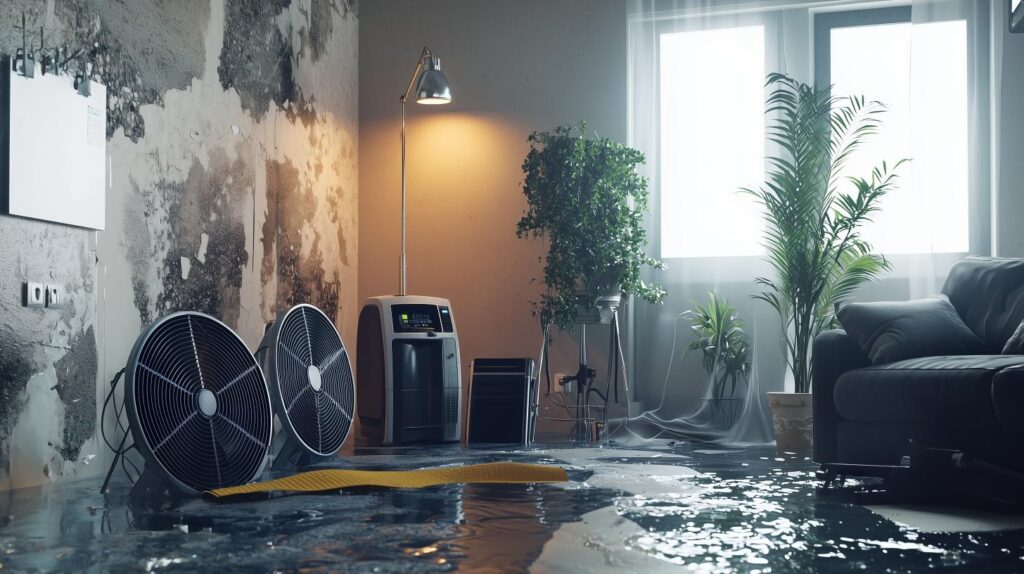
Moisture removal equipment, such as dehumidifiers and air movers, plays a vital role in drying out affected areas.
Dehumidifiers reduce humidity levels, preventing mold growth, while air movers facilitate air circulation, accelerating the drying process.
Thermal imaging cameras can help identify hidden moisture pockets, assuring thorough treatment.
Additionally, moisture meters allow you to assess saturation levels, guiding your drying efforts.
Utilizing Pumps for Rapid Extraction
When you need to extract water quickly, understanding the types of pumps available is essential.
Each pump has specific pumping techniques that maximize efficiency, and proper maintenance ensures peak performance.
Types of Water Pumps
There are several types of water pumps designed for rapid extraction, each tailored to specific situations and water removal needs.
Submersible pumps excel in deep water situations, fully immersing themselves for efficient operation.
Centrifugal pumps use rotational energy to move water quickly, making them ideal for larger volumes.
Diaphragm pumps offer versatility and are excellent for transferring sludge or debris-laden water.
Portable pumps provide convenience, allowing you to easily transport them to the site.
Hydraulic pumps are powerful, suited for high-pressure applications.
Gas-powered pumps are invaluable where electricity isn’t available, while electric pumps are efficient and reliable for residential use.
Sump pumps are essential for preventing basement flooding, keeping your space dry and safe.
Pumping Techniques Explained
Utilizing the right pumping techniques can greatly enhance the speed and efficiency of water extraction in various scenarios.
To achieve ideal pumping efficiency, consider the following techniques during pump selection:
Submersible Pumps: Ideal for deep water, efficiently extracting from below the surface.
Centrifugal Pumps: Great for large volumes, offering high flow rates in open environments.
Diaphragm Pumps: Perfect for sludgy or viscous materials, ensuring reliable flow without clogging.
Trash Pumps: Designed for debris-laden water, maintaining performance under tough conditions.
Positive Displacement Pumps: Excellent for precision and consistent flow, regardless of pressure changes.
Maintenance for Optimal Performance
To ensure pumps operate at peak efficiency during rapid water extraction, regular maintenance is essential. Implementing routine inspections and adhering to maintenance schedules can greatly enhance performance and extend the lifespan of your equipment.
| Maintenance Task | Frequency |
|---|---|
| Check for Leaks | Monthly |
| Clean Filters | Bi-Weekly |
| Inspect Hoses | Quarterly |
The Role of Wet/Dry Vacuums in Cleanup
Wet/dry vacuums often play a crucial role in effective water removal during cleanup efforts.
With proper wet/dry vacuum maintenance, you can ensure that your vacuum operates at peak efficiency and utilizes its full suction power.
Here are the key advantages of using wet/dry vacuums in your cleanup:
- High suction power: Quickly removes large volumes of water.
- Versatility: Can handle both wet and dry debris, making them useful for various tasks.
- Portability: Easy to move around, allowing you to tackle multiple areas efficiently.
- Durability: Built for heavy-duty use, ensuring they’ll stand up to tough conditions.
- Cost-effective: A one-time investment that can save you money on professional cleanup services.
Employing Dehumidifiers for Moisture Control
While wet/dry vacuums excel at immediate water removal, employing dehumidifiers is vital for controlling residual moisture and preventing mold growth. Proper dehumidifier placement greatly enhances moisture absorption, ensuring effective moisture control in your space.
| Dehumidifier Placement | Ideal Conditions | Expected Results |
|---|---|---|
| Central Location | 60% humidity or higher | Maximum moisture removal |
| Near Water Sources | 50-60% humidity | Targeted absorption |
| Rooms with Poor Ventilation | 40-50% humidity | Improved air quality |
| After Water Removal | 50% humidity or lower | Prevention of mold |
To maximize efficiency, verify that the dehumidifier is on a flat surface and in an unobstructed area. Regularly check and empty the water reservoir, if necessary. By diligently managing humidity levels, you’re taking essential steps toward a healthier, mold-free environment.
Techniques for Drying Out Carpets and Upholstery
Carpets and upholstery often absorb significant amounts of water, making timely drying techniques essential to prevent damage and mold growth.
To effectively achieve carpet drying and ensure successful upholstery restoration, consider the following methods:
Use high-velocity fans: Position them strategically to enhance airflow and speed up drying.
Employ wet vacuums: Extract as much moisture as possible from carpets and upholstery.
Apply absorbent towels: Blot wet areas to remove excess water before employing other methods.
Utilize dehumidifiers: Reduce humidity levels in the room, promoting faster drying.
Steam clean: This aids in drying and helps sanitize and refresh fabrics.
Importance of Safety Precautions During Water Removal
When removing water, prioritizing safety precautions is essential to prevent injuries and accidents.
Always wear personal protective equipment to shield yourself from contaminants, and be aware of potential electrical hazards in wet areas.
Additionally, handle equipment carefully to minimize risks associated with slips or malfunctions.
Personal Protective Equipment
Personal protective equipment (PPE) is essential during water removal to safeguard against potential hazards.
Understanding the importance of protective gear and hazard awareness can help you stay safe. Here are key items you should consider:
Waterproof boots: Protect your feet from moisture and slippery surfaces.
Gloves: Shield your hands from contaminants and sharp objects.
Safety goggles: Prevent eye injuries from splashes or debris.
Respirators: Filter out harmful particles in the air, especially in mold-prone areas.
Hard hats: Protect your head from falling objects or low-hanging structures.
Always prioritize your safety with the right PPE.
Electrical Hazards Awareness
Although water removal is essential for preventing further damage, it’s important to be aware of electrical hazards that can arise during the process. Ensuring electrical safety is a priority; water and electricity don’t mix.
You should always identify potential hazards before starting any removal efforts. Inspect the area for exposed wires, damaged outlets, or electrical equipment that may be submerged. Shut off the power supply to reduce risks while you work.
Use ground fault circuit interrupter (GFCI) devices to enhance protection. Remember, your safety depends on recognizing these dangers early.
Safe Equipment Handling
While engaging in water removal, it’s essential to handle equipment safely to prevent accidents and ensure efficiency.
By following proper equipment handling techniques, you protect yourself and enhance your team’s performance.
Remember to prioritize these safety measures:
- Perform a thorough equipment inspection before use.
- Use personal protective equipment (PPE) like gloves and goggles.
- Maintain a clear workspace to avoid tripping hazards.
- Follow the manufacturer’s guidelines for operating machinery.
- Secure cables and hoses to prevent entanglement.
When to Call in Professional Water Removal Services
When should you consider calling in professional water removal services? If you’ve experienced significant flooding, it’s time to act swiftly. An emergency response is vital to minimize damage and conduct a detailed damage assessment. Here are some key indicators that you need professional help:
| Signs to Call Professionals | Why It Matters |
|---|---|
| Standing water persists for hours | Uncertain about damage extent of damage |
| Mold and mildew start to appear | Health risks for you and your family |
| Water damage exceeds DIY capabilities | Ensures thorough restoration |
| Electrical systems are affected | Prevents potential hazards |
| Uncertain about the extent of damage | Professional insights provide security |
Don’t hesitate to reach out if you spot these signs. Professional services ensure efficient water removal, bringing expertise and peace of mind to your situation. You deserve a safe and dry environment.
Post-Removal Cleaning and Sanitization Strategies
Once you’ve removed the water, it’s essential to address the surfaces that were affected.
You need to implement effective cleaning techniques, followed by appropriate disinfection methods, to eliminate any potential pathogens.
Additionally, adopting mold prevention strategies will safeguard your space from future moisture-related issues.
Surface Cleaning Techniques
Effective surface cleaning techniques are essential after water removal to ensure that affected areas are thoroughly sanitized and safe for use.
You’ll want to employ efficient methods that utilize surface scrubbers and eco-friendly solutions to achieve the best results. Consider these strategies:
- Use surface scrubbers for deep cleaning carpets and hard surfaces.
- Employ eco-friendly solutions to minimize environmental impact.
- Focus on high-touch areas that require extra attention.
- Rinse surfaces thoroughly to remove any cleaning residues.
- Implement regular maintenance to prevent future issues.
Disinfection Methods
After water removal, ensuring that all affected areas are properly disinfected is essential to prevent mold growth and maintain a safe environment.
You can achieve effective disinfection through various methods. Using chemical agents, such as chlorine bleach or hydrogen peroxide, helps eliminate harmful pathogens. Always follow the manufacturer’s instructions for dilution and application to maximize effectiveness.
Additionally, consider integrating UV sterilization into your post-removal strategy. UV light is effective in neutralizing bacteria and viruses without the need for harsh chemicals, making it a sustainable option.
Mold Prevention Strategies
To prevent mold growth in areas affected by water damage, implementing a thorough post-removal cleaning and sanitization strategy is vital.
Here are some effective approaches:
Moisture Control: Keep surfaces dry to inhibit mold development.
Air Circulation: Use fans to promote airflow and reduce humidity.
Surface Treatment: Apply anti-mold solutions on vulnerable building materials.
Ventilation Strategies: Ensure proper ventilation in bathrooms and kitchens.
Regular Inspections: Check for signs of mold and moisture issues frequently.
Incorporating effective sealing and drainage systems can further enhance your humidity management efforts.
Preventative Measures to Avoid Future Water Damage
While water damage can occur unexpectedly, implementing preventative measures can greatly reduce the risk of future incidents. Start by investing in water-resistant materials for areas prone to moisture, such as basements and bathrooms. These materials provide durability and help in minimizing water absorption.
Additionally, make sure your home features effective drainage systems. Properly installed gutters and downspouts direct water away from your foundation, preventing pooling and seepage. Regular maintenance of these systems is essential; clean them frequently to avoid blockages.
Consider using sump pumps in basements to manage groundwater effectively. Installing waterproof barriers can further protect vulnerable areas.
Finally, regularly inspect your property for leaks or signs of water damage. Being proactive in addressing issues will foster a sense of belonging to a community that values safety and preservation.
Wrap-Up
Effective water removal is vital to preventing extensive damage and costly repairs. By employing the right techniques and tools, you can greatly reduce the risks associated with water damage. Remember, acting swiftly protects your property and safeguards your health. Stay prepared and proactive to ensure your home remains safe and dry.
Recent Posts
Why a Mold Inspection Naples Buyers and Sellers Can Trust Belongs in Every Real Estate Deal
A real estate closing can fall apart over a musty smell in the lanai or
Why Attics Are a Hidden Mold Risk in Naples and Marco Island Homes
Attics in Southwest Florida homes trap heat, humidity, and moisture in ways that most homeowners
Why Vacant Snowbird Homes in Naples and Marco Island Grow Mold So Fast
If you own a seasonal home in Naples, Marco Island, or anywhere along the Southwest