Contents
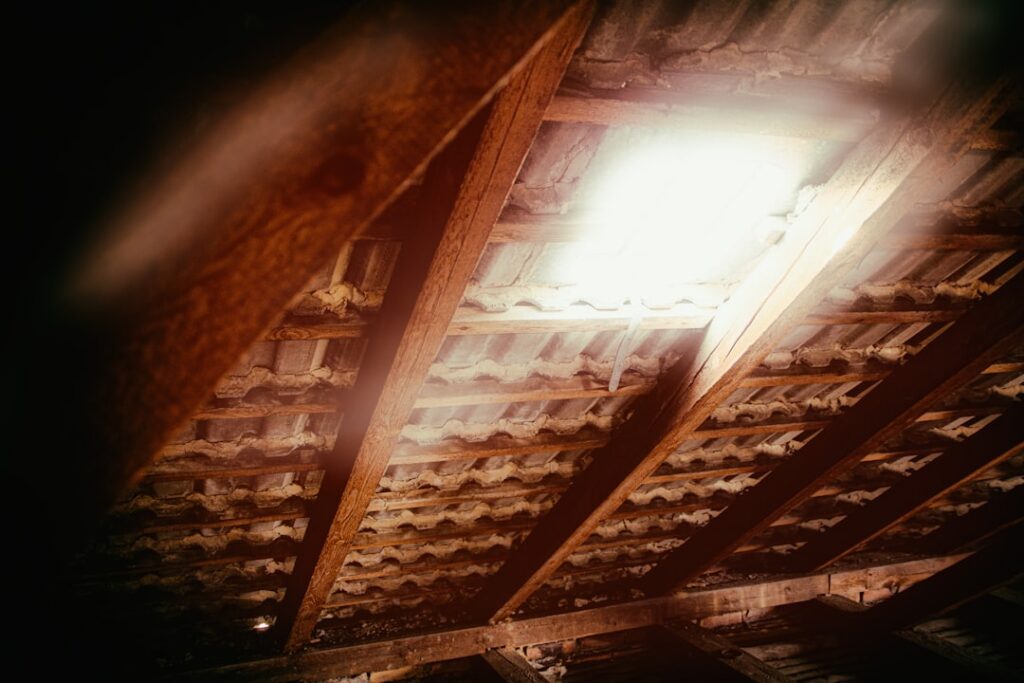
Attics in Southwest Florida homes trap heat, humidity, and moisture in ways that most homeowners never see until a stain shows up on a ceiling or a musty smell drifts down through a vent. By the time that happens, mold has usually been growing in the attic for weeks or months. Gulf Coast Mold Assessing & Remediation LLC gets called out regularly for attic mold that started as a small roof leak or a ventilation problem no one noticed from below.
Why Attics Grow Mold So Easily Here
Southwest Florida attics deal with a combination of conditions that almost guarantee mold growth if there’s any moisture intrusion at all. Daytime attic temperatures can climb well above 120 degrees, then drop overnight, creating condensation on the underside of the roof deck. Add a slow roof leak, a gap in flashing around a vent pipe, or a bathroom exhaust fan that dumps humid air into the attic instead of outside, and you have everything mold needs to spread across rafters, sheathing, and insulation.
Common sources of attic moisture in this area include:
- Roof leaks from aging shingles, cracked tile, or storm damage that goes unnoticed for months
- Bathroom or kitchen exhaust fans vented into the attic space instead of outdoors
- Poor or blocked soffit and ridge ventilation that traps humid air
- HVAC ductwork running through the attic with damaged insulation or condensation buildup
- Skylight or chimney flashing that has separated over time
Because attics are rarely inspected unless something is already wrong, mold can spread across a large area of sheathing before a homeowner ever sees a sign of it. Insulation soaks up moisture and holds it, which extends drying time and gives mold a longer window to establish itself.
Signs You Might Have an Attic Mold Problem
Most homeowners don’t climb into their attic regularly, so the first clues usually show up elsewhere in the house. A persistent musty smell near upstairs bedrooms, dark spotting on ceiling drywall, or a spike in allergy symptoms for people who spend time in upper-floor rooms can all point to attic mold. Sometimes the only sign is a slightly higher electric bill, because mold-damaged or wet insulation loses its effectiveness and makes the HVAC system work harder.
A visual inspection alone often misses attic mold that’s growing on the back side of roof sheathing or inside insulation batts. That’s where thermal imaging becomes useful. An infrared camera can pick up temperature differences caused by trapped moisture behind roofing materials, even when nothing is visible to the naked eye, and it helps narrow down exactly where a leak or condensation problem is originating before anyone has to cut into drywall or pull up insulation.
What a Proper Attic Mold Inspection Involves
A thorough attic assessment goes beyond a quick look with a flashlight. It typically includes checking ventilation intake and exhaust points, examining roof decking and rafters for staining or soft spots, reviewing insulation condition, and testing humidity levels within the attic space compared to the rest of the home. If mold is suspected but not clearly visible, air sampling can confirm whether spore counts in the attic or connected living spaces are elevated.
Gulf Coast Mold Assessing & Remediation LLC charges a $150 fee for a visual inspection and service call. If air sampling is added during that same visit, the $150 is credited toward the cost of sampling. This keeps the process straightforward for homeowners who just want a clear answer about what’s going on in their attic before deciding whether remediation is needed.
Remediation and Prevention
Once mold is confirmed, remediation in an attic space usually involves removing and disposing of contaminated insulation, treating and cleaning affected structural wood, and correcting whatever caused the moisture in the first place, whether that’s a roof repair, rerouted exhaust vent, or added ventilation. Skipping that last step is the most common mistake homeowners make. Cleaning the mold without fixing the moisture source just means the problem comes back within a season, especially in a climate with as much heat and humidity as Naples, Marco Island, Bonita Springs, and Estero see year-round.
For homes recently affected by storm damage, roof punctures or lifted shingles are an especially common trigger for attic mold, and pairing an inspection with a review of storm damage restoration needs can catch problems before they spread further into the living space. Rental property owners and landlords should also be cautious, since attic issues in vacant or lightly monitored units can go unnoticed far longer than in owner-occupied homes; our guide on mold testing for rental properties covers what to watch for.
If you’re dealing with a musty smell, a ceiling stain, or you just haven’t had your attic checked in years, it’s worth having it looked at before a small leak turns into a larger remediation project. Gulf Coast Mold Assessing & Remediation LLC serves homeowners and property managers throughout Naples, Marco Island, Bonita Springs, and Estero. For more on inspection options, visit our mold inspection and testing page, or call 2392383061 to schedule a visit. More information is also available at https://gulfcoast-mold.com. For general background on mold and moisture control, the EPA’s mold resource page is a solid reference.
Photo by Denny Müller on Unsplash
Recent Posts
Why a Mold Inspection Naples Buyers and Sellers Can Trust Belongs in Every Real Estate Deal
A real estate closing can fall apart over a musty smell in the lanai or
Why Vacant Snowbird Homes in Naples and Marco Island Grow Mold So Fast
If you own a seasonal home in Naples, Marco Island, or anywhere along the Southwest
Why Your Air Conditioner Might Be Growing Mold in Southwest Florida
Florida’s humidity doesn’t stop at the walls of your house. It gets pulled straight into