
Contents
Imagine a flooded basement after an unexpected heavy rainstorm. In such emergencies, knowing how to efficiently remove water can save you time and damage. You’ll need to assess the situation carefully and prioritize water removal safety. From using a wet/dry vacuum to employing dehumidifiers, each technique plays an essential role. Understanding the best methods to deploy can make all the difference when you’re racing against the clock. What comes next could change how you approach water emergencies.
Key Takeaways
- Use a wet/dry vacuum for efficient water removal in large areas, adjusting settings for optimal suction without damage.
- Employ submersible pumps in deep water situations, positioning them in the lowest area for maximum efficiency.
- Utilize thick, absorbent towels and mops for smaller spaces, starting from the edges to prevent water from spreading.
- Set dehumidifiers to 30-60% humidity and position fans to enhance air circulation for effective drying.
- Maintain a thorough damage assessment and document findings for insurance claims or professional assistance.
Assessing the Situation and Safety Measures
Before rushing into a water removal situation, it’s crucial to assess the surroundings and ensure safety.
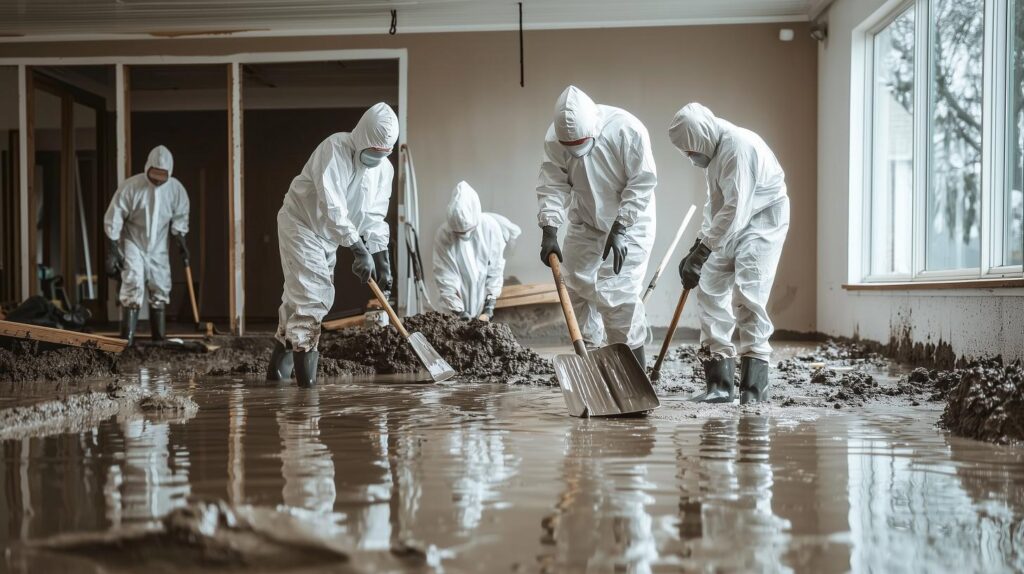
Start by implementing safety protocols to protect yourself and others. Look for potential hazards such as electrical outlets, structural instability, or contaminated water. Confirm you’re wearing appropriate protective gear like gloves and boots.
Next, conduct a thorough damage assessment. Identify the source of the water intrusion and evaluate the extent of the damage. Check walls, floors, and any belongings that may have been affected. Document your findings, as a detailed record can be invaluable for insurance claims or professional help later.
Stay calm and collected; this isn’t just about removing water but ensuring a safe environment for everyone involved.
Using a Wet/Dry Vacuum for Quick Extraction
Once you’ve confirmed the area is safe and assessed the damage, using a wet/dry vacuum becomes an effective method for quickly extracting water. This tool stands out for its versatility and efficiency, especially in emergency situations.
Here’s how to make the most of it:
Select the Right Features: Look for a wet/dry vacuum with a powerful motor and a sizable tank to minimize emptying time.
Adjust Ideal Vacuum Settings: Setting the vacuum to the appropriate suction level enhances water removal without damaging surfaces.
Utilize Attachments: Use specialized nozzles for tight spaces or large areas, ensuring you cover the entire wet zone effectively.
Employing Submersible Pumps for Large Areas
When faced with extensive water accumulation, employing submersible pumps offers a highly effective solution for large areas. These pumps are designed to operate underwater, making them perfect for draining flooded basements, yards, or construction sites.
Familiarizing yourself with different submersible pump types—such as pedestal and submersible sewage pumps—can help you choose the right one for your needs.
For effective pump installation, ensure you select a durable, appropriately sized pump to handle the volume of water. Position the pump in the deepest area to maximize efficiency.
Always check the power source and use extension cords rated for outdoor use to avoid electrical hazards.
Having the right equipment and knowledge on hand fosters a sense of community preparedness. By mastering these techniques, you’ll protect your property and contribute to a collective effort in managing water emergencies effectively.
Utilizing Towels and Mops for Smaller Spaces
In situations where water accumulation is limited to smaller spaces, using towels and mops can be an efficient and accessible solution.
These tools are practical and allow you to take immediate action. Here are some effective towel techniques and mop methods to evaluate:
Absorbent Towels: Use thick, absorbent towels to soak up excess water. Start at the edges and work your way inward to prevent spreading.
Wringing Mops: Employ a mop with a wringer. Dip it in the water and wring it out frequently to maximize water removal.
Layering Techniques: For stubborn spots, layer several towels over the wet area. This helps increase absorption and reduces the need for repeated wringing.
Implementing Dehumidifiers and Fans for Drying
While towels and mops are effective for immediate water removal, implementing dehumidifiers and fans is crucial for thorough drying in affected areas.
Start by setting your dehumidifier to the appropriate settings—typically around 30-60% humidity for ideal moisture removal. This helps prevent mold growth and structural damage.
Next, strategic fan placement can greatly enhance air circulation. Position fans to blow air directly across wet surfaces, creating a cross-ventilation effect that speeds up drying. Confirm they’re not too close to the dehumidifier, as that can hinder its efficiency.
Using both devices in tandem amplifies their effectiveness. Monitor the environment, adjusting the dehumidifier settings and fan positions as needed, to achieve a dry, comfortable space.
This balanced approach fosters a sense of safety and belonging, helping you restore your home quickly and efficiently after water-related emergencies.
Review
In emergencies, every second counts, and efficient water removal can save you time and money. By using the right techniques—like wet/dry vacuums and submersible pumps—you can dramatically reduce the impact of water damage. Remember, combining methods ensures a thorough response, giving you peace of mind as you restore your space. Don’t underestimate the power of swift action!
Recent Posts
Why Choose 24/7 Water Extraction for Storm Damage?
When storms hit, you need a swift response to prevent further damage to your property.
7 Tips for Fast Water Extraction After Storms
Many people underestimate the urgency of swift water extraction after a storm, yet it can
How to Handle Storm Damage Water Extraction
When storms hit, the aftermath can leave your property vulnerable to extensive water damage. You