
Contents
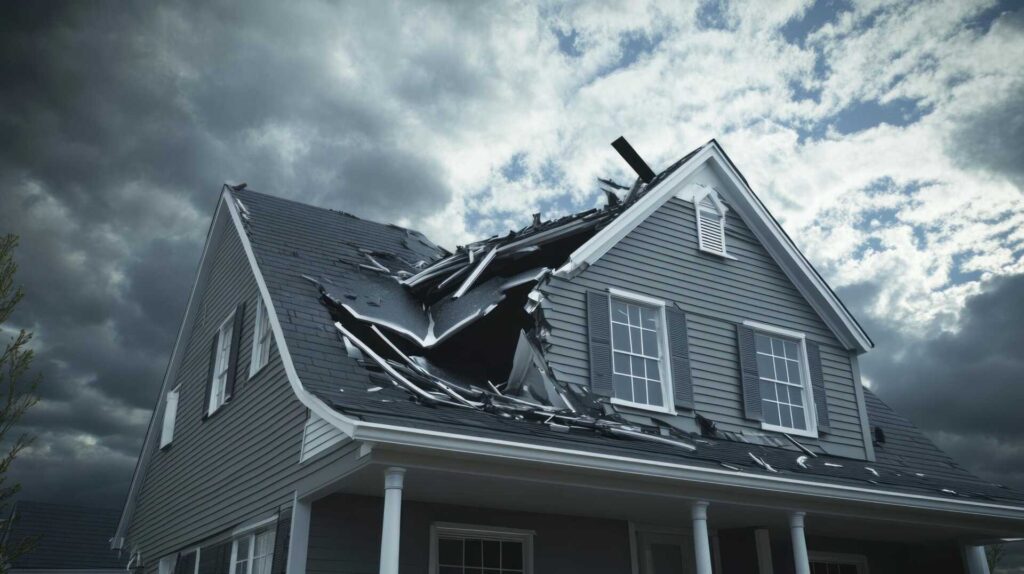
When a storm hits, the damage cleanup process can feel overwhelming, but it doesn’t have to be. You’ll want to assess the damage quickly and gather your supplies to tackle the mess efficiently. Knowing which areas need immediate attention can save you time and prevent further issues. Let’s explore some practical hacks that’ll streamline your cleanup and ensure you’re prepared for whatever comes next.
Key Takeaways
- Quickly assess damage by walking the property, noting hazards and structural issues before starting any cleanup efforts.
- Gather essential supplies like heavy-duty trash bags, gloves, brooms, and a first aid kit for efficient cleanup.
- Use wet/dry vacuums and submersible pumps to extract water, and follow up with fans and dehumidifiers for thorough drying.
- Clean and disinfect affected areas promptly with appropriate solutions, focusing on preventing mold growth through drying and ventilation.
- Document all damages with photos and notes for insurance claims, keeping receipts for repairs and maintaining safety gear throughout the process.
Assessing the Damage Quickly
When a storm hits, evaluating the damage quickly is essential to your safety and recovery.
Start by walking around your property, using simple damage assessment techniques. Look for downed branches, roof leaks, or water pooling in unusual places. Take notes or photos to keep track of what you find, as this will help when you report the damage.
Use quick evaluation methods, like checking for structural integrity before entering buildings. If you notice any hazards, like exposed wires or unstable structures, prioritize your safety and alert local authorities.
Don’t hesitate to reach out to neighbors; they might’ve valuable insights and can offer support.
Gathering Essential Cleanup Supplies
Gathering the right cleanup supplies is essential for an efficient recovery after a storm.
You’ll want to make sure you have all the necessary gear to tackle the mess and restore your space. Start by gathering tools that will help you work quickly and safely.
Here’s a handy list to get you started:
- Heavy-duty trash bags
- Gloves (preferably waterproof)
- A sturdy broom and dustpan
- A shovel for debris removal
- A first aid kit for emergencies
Prioritizing Areas for Immediate Attention
After a storm, start by evaluating the damage severity to identify the most critical areas needing attention.
Always prioritize safety first; clear away hazards before tackling repairs.
Focus on structural integrity to ensure your home remains safe and sound during cleanup.
Assess Damage Severity
As you assess the damage after a storm, focus on identifying the most critical areas that need immediate attention.
Use a severity scale to categorize damage indicators, helping you prioritize effectively. Start with the most affected areas, ensuring safety for you and your neighbors.
- Roof leaks or missing shingles
- Broken windows or doors
- Fallen trees or large branches
- Flooding in the basement or crawl space
- Structural issues in walls or foundations
Focus on Safety
While evaluating storm damage, your top priority should be ensuring safety for yourself and others. Start by wearing appropriate safety gear, such as gloves, sturdy shoes, and a hard hat, to protect against injuries from debris.
Look for hazards like downed power lines or unstable structures—avoid these areas until professionals assess them. Make a list of emergency contacts, including local authorities and utility companies, and keep it handy.
If you’re working with a group, establish a communication plan to stay connected. Remember, it’s vital to check on neighbors, especially the elderly or those with disabilities, to confirm their safety as well.
Prioritizing safety not only protects you but fosters a sense of community.
Prioritize Structural Integrity
To ensure safety during storm damage cleanup, you must prioritize structural integrity by identifying areas needing immediate attention.
Start with thorough structural assessments to pinpoint damage, ensuring you focus on the most critical areas first. Conduct integrity inspections to verify if walls, roofs, and foundations remain stable.
Here are some key areas to inspect:
- Roofs for missing shingles or leaks
- Walls for cracks or bulging
- Foundation for shifts or settling
- Windows for breakage or gaps
- Doors for warping or misalignment
Implementing Rapid Water Extraction Techniques
When tackling water damage, you’ll need the right tools and a clear plan.
Start by gathering your essential equipment, and then follow a step-by-step extraction process to maximize efficiency.
Don’t forget to prioritize safety precautions to protect yourself during the cleanup.
Essential Equipment Checklist
Having the right equipment on hand is vital for implementing rapid water extraction techniques after storm damage.
To effectively tackle the cleanup, make sure you have these important equipment types ready:
- Wet/Dry Vacuum: Perfect for removing standing water.
- Submersible Pump: Useful for deeper areas where water accumulates.
- Squeegee: Helps push water towards your vacuum or drainage.
- Dehumidifier: Speeds up drying by reducing moisture in the air.
- Mop and Buckets: Ideal for smaller areas and finishing touches.
These cleanup tools help you manage the water effectively and foster a sense of community as you restore your space.
Being prepared with the right equipment ensures you can act swiftly and efficiently when disaster strikes.
Step-by-Step Extraction Process
As soon as you identify standing water in your home, it’s crucial to act quickly to minimize damage and prevent mold growth.
Start your emergency response by shutting off the electricity to affected areas. Next, gather your essential equipment: pumps, wet vacs, and fans. If you can, enlist help from neighbors or friends for support—community support makes a challenging task more manageable.
Begin extracting water with your pump, ensuring you cover all areas. Follow up with the wet vac to pick up residual moisture. Finally, use fans and dehumidifiers to dry out the space thoroughly.
Safety Precautions to Follow
After you’ve begun the rapid water extraction process, keeping safety at the forefront is essential. You want to protect yourself and others while minimizing risks.
Here are some vital safety precautions to follow:
- Wear personal protective equipment: gloves, masks, and boots are a must.
- Stay aware of hazards: watch for electrical issues and slip hazards.
- Ensure proper ventilation: open windows to prevent mold growth.
- Use caution with tools: keep equipment in good condition and follow instructions.
- Have an emergency plan: know how to react in case of accidents.
Utilizing Fans and Dehumidifiers Effectively
While storm damage can leave your home feeling damp and musty, utilizing fans and dehumidifiers effectively can turn the tide on moisture and prevent further issues.
Start by strategically placing fans in the affected areas. Position them to create a cross-breeze, which helps circulate air and accelerates drying. Aim one fan toward the dampest surfaces and another to push air out of the room, enhancing airflow.
Next, set your dehumidifier to ideal settings. A typical range is between 30-60% humidity, but if your space feels particularly wet, you might want to lower it further. Keep windows and doors closed while the dehumidifier runs to maximize its efficiency.
Regularly check the water collection tank and empty it as needed.
Cleaning and Disinfecting Affected Surfaces
After a storm, it’s vital to clean and disinfect affected surfaces to prevent mold and bacteria growth.
You’ll need essential cleaning supplies and effective disinfecting techniques to tackle the mess safely.
Let’s go over the best practices and safety precautions to keep you and your space protected.
Essential Cleaning Supplies
When tackling storm damage cleanup, having the right cleaning supplies is essential for effectively restoring affected surfaces.
You’ll want to gather your cleaning tools and protective gear to ensure a safe and efficient process. Here’s a quick list of must-have items:
- Heavy-duty trash bags for debris collection
- Brooms and mops for sweeping and scrubbing
- Buckets for mixing cleaning solutions
- Sponges and cloths for wiping surfaces
- Gloves and masks to protect against germs and irritants
With these supplies at your side, you’ll be well-equipped to handle the mess and safeguard your health.
Effective Disinfecting Techniques
As you begin the cleanup process, effective disinfecting techniques are essential for ensuring your space is safe and sanitary. Start by using appropriate disinfecting solutions that meet your needs. Focus on high-touch surfaces, such as doorknobs, light switches, and countertops.
Here’s a quick reference table to guide your surface sanitization efforts:
| Surface Type | Recommended Solution | Contact Time |
|---|---|---|
| Hard Surfaces | Bleach Solution (1:10) | 5 minutes |
| Fabric | Alcohol Spray (70%) | 10 minutes |
| Glass | Vinegar & Water | 2 minutes |
| Wood | Mild Soap & Water | 5 minutes |
Safety Precautions to Follow
Cleaning and disinfecting affected surfaces can pose risks if you’re not careful. To ensure your safety during this process, follow these essential precautions:
- Wear appropriate safety gear: gloves, masks, and goggles protect you from chemicals and debris.
- Ventilate the area: open windows and doors to avoid inhaling harmful fumes.
- Use recommended cleaning products: check labels for effectiveness against contaminants.
- Keep your emergency contacts handy: know who to call if accidents occur or if you need assistance.
- Take breaks: don’t overexert yourself; fatigue can lead to injuries.
Protecting Electrical Outlets and Appliances
Though storms can wreak havoc on your home, protecting your electrical outlets and appliances is essential to preventing further damage. Start by using outlet covers to shield your outlets from moisture and debris. These simple yet effective barriers help keep water out, minimizing the risk of electrical shorts or fires.
Next, consider appliance protection. Unplugging devices during a storm is a smart move, but if you can’t, invest in surge protectors. They’ll help safeguard your appliances against power surges caused by lightning strikes.
Additionally, keep an eye on outdoor appliances. If heavy winds are expected, secure or bring them indoors to avoid potential damage.
Documenting Damage for Insurance Claims
After a storm, documenting damage is essential for securing your insurance claims. You want to ensure you have thorough claim documentation to support your case.
Start by taking clear photographic evidence of all the damage. Here’s how to do it effectively:
- Capture wide shots of the affected areas.
- Take close-ups of specific damages, like broken windows or roof leaks.
- Document any personal belongings damaged or destroyed.
- Note the date and time of each photo for reference.
- Keep receipts for any emergency repairs or temporary fixes.
Organizing this information will strengthen your claim and speed up the process.
Preventing Mold Growth in Humid Conditions
Once you’ve documented the storm damage, it’s time to focus on preventing further issues, particularly mold growth, which thrives in humid conditions.
Mold can wreak havoc on your home and health, so implementing effective mold prevention strategies is crucial. Start by quickly drying any wet areas. Use fans and dehumidifiers to reduce moisture levels.
Seal any leaks that could introduce humidity, and keep your home’s ventilation in check. You’ll want to ensure that air can circulate freely, especially in attics and basements.
Regularly inspect your home for signs of dampness, and clean any mold-prone areas with vinegar or baking soda.
Seeking Professional Help When Necessary
When storm damage strikes, knowing when to seek professional help can save you time, money, and further complications. It’s tempting to handle everything yourself, but sometimes a professional assessment is necessary to prevent future issues.
Here are some situations where you should reach out for expert recommendations:
- You notice structural damage to your home.
- Flooding has occurred, leaving standing water.
- Mold growth is visible or suspected.
- Electrical systems are affected by water or debris.
- You feel overwhelmed and unsure where to start.
In these cases, professionals can provide a thorough evaluation and guide you through the cleanup process. They’ll ensure safety and proper restoration, so you can focus on healing and moving forward.
Don’t hesitate to lean on their expertise—it’s part of building a resilient community. Remember, you’re not alone in this; help is just a call away.
Summary
In the aftermath of a storm, swift cleanup is essential to protect your home and health. Have you considered how quickly water can turn into a mold nightmare? By following these hacks—assessing damage, gathering supplies, and prioritizing areas—you can minimize risks and restore safety efficiently. Remember, enlisting help and documenting everything for insurance can save you time and stress. Don’t wait; tackle the mess head-on and reclaim your space!
Recent Posts
Why Vacant Snowbird Homes in Naples and Marco Island Grow Mold So Fast
If you own a seasonal home in Naples, Marco Island, or anywhere along the Southwest
Why Your Air Conditioner Might Be Growing Mold in Southwest Florida
Florida’s humidity doesn’t stop at the walls of your house. It gets pulled straight into
Why Bleach Doesn’t Kill Mold: What Actually Works for Naples FL Homes
Walk down any cleaning aisle in Naples and you’ll see rows of bleach bottles promising