
Contents
Flood Cleanup is essential after water invades your home, and taking a systematic approach can make all the difference. Understanding the best strategies ensures your property and health are protected. From evaluating damage to preventing mold growth, every step plays a crucial role. Acting quickly and efficiently helps minimize loss and restore your space. So, what techniques should you use to handle this challenging situation effectively?
Key Takeaways
- Assess damage using tools like moisture meters and thermal imaging, and document findings for insurance claims.
- Ensure safety with PPE, disconnect power, and maintain proper ventilation during cleanup.
- Quickly remove water using high-capacity pumps and ensure proper drainage to prevent further accumulation.
- Dry out affected areas using fans and dehumidifiers, while maintaining humidity levels between 30% and 60%.
- Consider hiring professional cleanup services for thorough restoration and to mitigate health risks associated with mold.
Assessing the Damage After a Flood
After a flood, it’s essential to evaluate the damage quickly to prevent further issues. Start by employing flood assessment tools like moisture meters and thermal imaging cameras. These devices help you identify hidden water damage, ensuring you don’t overlook critical areas.
Next, utilize damage evaluation techniques, such as visual inspections and structural evaluations, to gauge the extent of the impact on your property. Document everything with photos and notes, as this information will be crucial for insurance claims.
Remember to prioritize high-risk areas like basements and crawl spaces, where mold can develop rapidly. By taking a systematic approach, you protect your home and foster a sense of community by sharing your experiences with neighbors.
This shared knowledge can empower others facing similar challenges, creating a supportive environment during recovery. Evaluating damage effectively lays the groundwork for a successful cleanup and restoration process.
Ensuring Safety During Cleanup
While tackling flood cleanup, ensuring your safety should be your top priority.
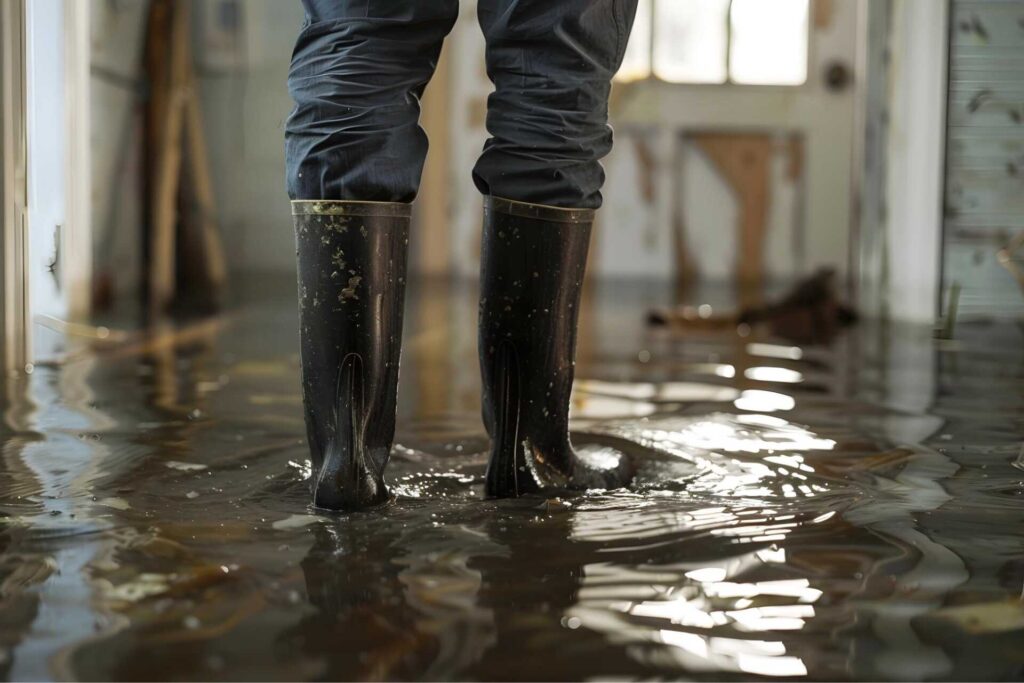
Before diving into the work, equip yourself with personal protective equipment (PPE) like gloves, masks, and boots. These items shield you from contaminants and hazardous materials lurking in the floodwaters.
Additionally, electrical safety precautions are vital. Always disconnect power sources and avoid wading through water near electrical outlets or appliances to prevent shocks or electrocution.
Consider these emotional reminders as you prepare:
- Your well-being matters.
- Protect yourself from potential hazards.
- Take care of your loved ones.
- Safety leads to a successful cleanup.
- You’re part of a resilient community.
Gathering Necessary Cleanup Supplies
Once you’ve confirmed your safety, the next step involves gathering the necessary cleanup supplies to effectively tackle the aftermath of a flood.
Start by creating a supply checklist to ensure you have everything you need. Essential cleanup gear includes heavy-duty gloves, masks, and waterproof boots to protect yourself from contaminants.
You’ll also require buckets, mops, and sponges for removing debris and water.
Don’t forget a sturdy shop vacuum for extracting excess water, as well as fans and dehumidifiers to aid in drying the space.
Cleaning solutions, such as bleach or specialized mold removers, will help disinfect affected areas.
For safety, a first aid kit is vital in case of injuries.
Removing Water Quickly and Effectively
To minimize damage and prevent mold growth, it’s crucial to remove water from your home as quickly and effectively as possible.
Start by evaluating the situation and selecting appropriate water removal techniques. Depending on the volume of water, you might consider various pump options, such as submersible pumps or sump pumps, to efficiently extract water.
Here are some key strategies to keep in mind:
- Act swiftly; every moment counts.
- Use high-capacity pumps for faster removal.
- Implement a combination of techniques for thoroughness.
- Ensure proper drainage to prevent water accumulation.
- Prioritize safety; wear protective gear.
Drying Out Affected Areas
Once you’ve removed standing water, your next step is to ensure all affected areas are thoroughly dried.
Utilize fans and dehumidifiers to enhance air circulation, which aids in evaporation.
Additionally, monitor humidity levels to prevent mold growth and ensure a safe environment.
Remove Standing Water
As you assess the damage after a flood, promptly removing standing water is essential to prevent further structural damage and mold growth.
Effective water extraction methods are vital, so consider using pumps or wet vacuums for this task. Implement drainage solutions to direct water away from your property.
Here are some feelings you might experience during this process:
- Overwhelmed by the mess
- Anxious about potential damage
- Determined to restore your home
- Grateful for community support
- Hopeful for a fresh start
Don’t underestimate the importance of swift action—each moment counts in safeguarding your home.
Utilize Air Circulation
After removing standing water, the next step is to focus on drying out affected areas to prevent mold growth and structural damage.
Effective airflow management is vital in this process. Start by opening windows and doors to enhance natural ventilation. If possible, use fans to create a strong airflow throughout your home, directing it towards damp areas.
Consider strategically placing dehumidifiers to help remove moisture from the air. Implementing these ventilation strategies accelerates drying and minimizes mold development risk.
Make sure that you circulate air in confined spaces, like closets and under furniture, where moisture can linger. By actively managing airflow, you’ll create a healthier environment and protect your home from long-term damage.
Monitor Humidity Levels
To effectively dry out affected areas and prevent mold growth, it’s crucial to monitor humidity levels throughout the cleanup process.
Implementing humidity control measures is important, as elevated moisture can lead to serious health risks. Regular moisture monitoring helps you identify problem areas and take proactive steps.
- You’ll safeguard your family’s health.
- You’ll protect your home’s structural integrity.
- You’ll create a comfortable living environment.
- You’ll foster a sense of community by sharing knowledge.
- You’ll gain peace of mind knowing you’re taking charge.
Invest in a hygrometer to track humidity levels. Aim to keep levels between 30% and 60% for ideal drying.
Consistent monitoring is your best defense against mold and mildew, ensuring your home remains a safe haven.
Addressing Mold and Mildew Prevention
Mold and mildew can quickly take hold in damp environments, making it essential for homeowners to implement effective prevention strategies as part of their flood cleanup efforts.
Start by ensuring proper ventilation in all areas of your home. Use exhaust fans in kitchens and bathrooms, and consider dehumidifiers in particularly humid spaces. For mold prevention, inspect and repair any leaks promptly, as stagnant water is a breeding ground for spores.
You should also regularly clean and dry any items exposed to moisture, including carpets and upholstery. In areas prone to flooding, applying mold-resistant products can enhance mildew control.
Keep an eye on humidity levels; ideally, they should remain between 30% and 60%. Finally, regularly check basements and crawl spaces for signs of moisture, as these areas are often neglected.
Cleaning and Disinfecting Surfaces
When cleaning and disinfecting surfaces after a flood, you’ll need essential supplies like gloves, masks, and suitable cleaning agents.
Effective disinfection techniques are vital to eliminate harmful pathogens, so make sure to follow the manufacturer’s instructions carefully.
Don’t forget to prioritize safety precautions to protect yourself from hazardous materials and contaminants during the process.
Essential Cleaning Supplies
Effective flood cleanup hinges on having the right essential cleaning supplies to tackle both cleaning and disinfecting surfaces. This ensures your home returns to a safe environment and fosters a sense of community and belonging as you navigate this challenging situation.
Equip yourself with the following cleaning equipment and protective gear:
- Heavy-duty gloves for hand protection
- N95 respirator masks to filter airborne contaminants
- Mops and buckets for effective surface cleaning
- Commercial-grade disinfectants to eliminate bacteria
- Rags and sponges for detailed wiping
Having these supplies on hand allows you to efficiently and safely address flood damage, reinforcing your commitment to preserving your home and well-being.
Effective Disinfection Techniques
After gathering your cleaning supplies, you’ll want to focus on disinfection techniques that are essential for restoring your home to a safe condition.
Start by applying chemical disinfectants to all affected surfaces, ensuring you follow the manufacturer’s instructions for proper dilution and application. Surfaces should be cleaned of debris before disinfectants are applied, as this enhances their effectiveness.
Allow the disinfectant to sit for the recommended time, often around 10 minutes, to ensure thorough surface sanitization. Pay special attention to high-touch areas such as doorknobs, light switches, and countertops.
After disinfection, rinse surfaces with clean water if the product requires it. This two-step process will greatly reduce harmful pathogens, creating a healthier environment for you and your family.
Safety Precautions Required
While cleaning and disinfecting surfaces in a flood-affected home, it’s essential to prioritize safety to protect yourself from harmful substances and potential hazards.
Here are some key safety precautions to keep in mind:
- Wear gloves and masks to shield against contaminants.
- Ensure proper ventilation by opening windows and doors.
- Use only EPA-approved disinfectants for effectiveness.
- Verify that your flood insurance covers cleanup costs.
- Keep emergency contacts handy for immediate assistance.
Staying safe during this challenging process isn’t just about cleaning; it’s about ensuring you and your loved ones remain healthy.
Salvaging and Restoring Belongings
How can you best salvage and restore your belongings after a flood? Start with a thorough belongings assessment. Identify what items are salvageable and prioritize those with high emotional value, such as photographs or heirlooms. For many, these items carry a significant emotional impact, so handling them delicately is vital.
Once you’ve sorted through your belongings, clean and disinfect items that can be saved. Use a solution of water and bleach to eliminate contaminants, but never mix cleaning agents.
For fabrics and clothing, wash them promptly, and consider professional cleaning for delicate items.
Electronics may require special attention; consult a technician for assessment after drying.
Furniture can often be saved by drying and treating with appropriate products.
Throughout the process, document everything for insurance claims. By following these steps, you’ll increase the chances of restoring your belongings to their pre-flood condition, preserving both their physical and emotional significance.
Consulting Professional Flood Cleanup Services
Once you’ve assessed and salvaged your belongings, it’s important to contemplate bringing in professional flood cleanup services.
These experts employ advanced flood restoration techniques, ensuring your home is cleaned and protected from future damage. They’ll work quickly, providing you with peace of mind during a stressful time.
Consider the emotional benefits of hiring professionals:
- They restore your home to its former state.
- They mitigate health risks associated with mold and mildew.
- They handle the heavy lifting, relieving your physical strain.
- They possess specialized knowledge and equipment.
- They contribute to effective emergency response planning for future incidents.
Review
In the aftermath of a flood, you’ll want to channel your inner Odysseus, steering through the treacherous waters of cleanup with caution and strategy. By systematically evaluating damage, ensuring safety, and employing efficient methods, you can restore your home and protect your belongings. Don’t hesitate to seek professional help when needed; their expertise can be the guiding star in your restoration journey. With diligence and care, you can turn your flooded space back into a safe haven.
Recent Posts
Why Choose 24/7 Water Extraction for Storm Damage?
When storms hit, you need a swift response to prevent further damage to your property.
7 Tips for Fast Water Extraction After Storms
Many people underestimate the urgency of swift water extraction after a storm, yet it can
How to Handle Storm Damage Water Extraction
When storms hit, the aftermath can leave your property vulnerable to extensive water damage. You