Contents
A real estate closing can fall apart over a musty smell in the lanai or a water stain nobody can explain. In Southwest Florida, where humidity sits above 80% for much of the year and homes change hands quickly during snowbird season, a mold inspection naples buyers and sellers rely on has become a routine part of due diligence, right alongside a four-point inspection or a roof certification.
Gulf Coast Mold Assessing & Remediation LLC gets calls from both sides of the transaction. Buyers want to know what they’re walking into before they sign. Sellers want a clean report in hand so a buyer’s inspector doesn’t stall the deal at the eleventh hour. Either way, the inspection answers the same basic question: is there active mold growth, and is there a moisture source feeding it.
Why Mold Becomes a Real Estate Issue in Naples
Florida’s building stock sits close to sea level, often with slab foundations, stucco exteriors, and HVAC systems that run almost year-round to fight humidity. Add storm history, irrigation spray hitting exterior walls, and homes left vacant for months at a time, and you get conditions where mold can take hold behind walls long before anyone notices a smell or a stain. A property that looked fine during a quick walkthrough can still have hidden moisture intrusion around windows, under cabinetry, or inside an attic that never got proper ventilation.
Lenders and insurance underwriters are paying closer attention to moisture damage after a string of hurricane seasons, and a buyer’s attorney will often ask for documentation if anything looks questionable in photos or disclosure forms. Having an inspection report from a licensed assessor protects everyone at the closing table.
What a Pre-Purchase or Pre-Listing Inspection Actually Covers
An inspection is not a quick glance at visible surfaces. A thorough visit typically includes:
- A visual walkthrough of attics, crawlspaces, baseboards, window sills, and areas around plumbing fixtures
- Moisture mapping with a meter to catch damp building materials before mold becomes visible
- Thermal imaging to spot temperature differentials that often indicate trapped moisture behind drywall or flooring
- Air quality sampling, when requested, to measure spore counts and compare indoor air to a baseline outdoor sample
- A written report identifying conditions, locations, and recommended next steps
For details on exactly what gets checked room by room, see what a licensed mold inspector checks in a Naples FL home. Our standard visual inspection carries a $150 fee, which is credited toward air sampling if sampling gets added during that same visit.
Where Problems Turn Up Most Often
In our experience across Naples, Marco Island, Bonita Springs, and Estero, the same trouble spots keep showing up on inspection reports:
- Lanai and pool cage transitions where flashing was never properly sealed
- AC supply vents and drain pans where condensation collects unnoticed
- Attics with roof leaks that go undetected for months, covered in more detail in our attic mold risk guide
- Under-sink cabinetry in kitchens and bathrooms with slow supply line leaks
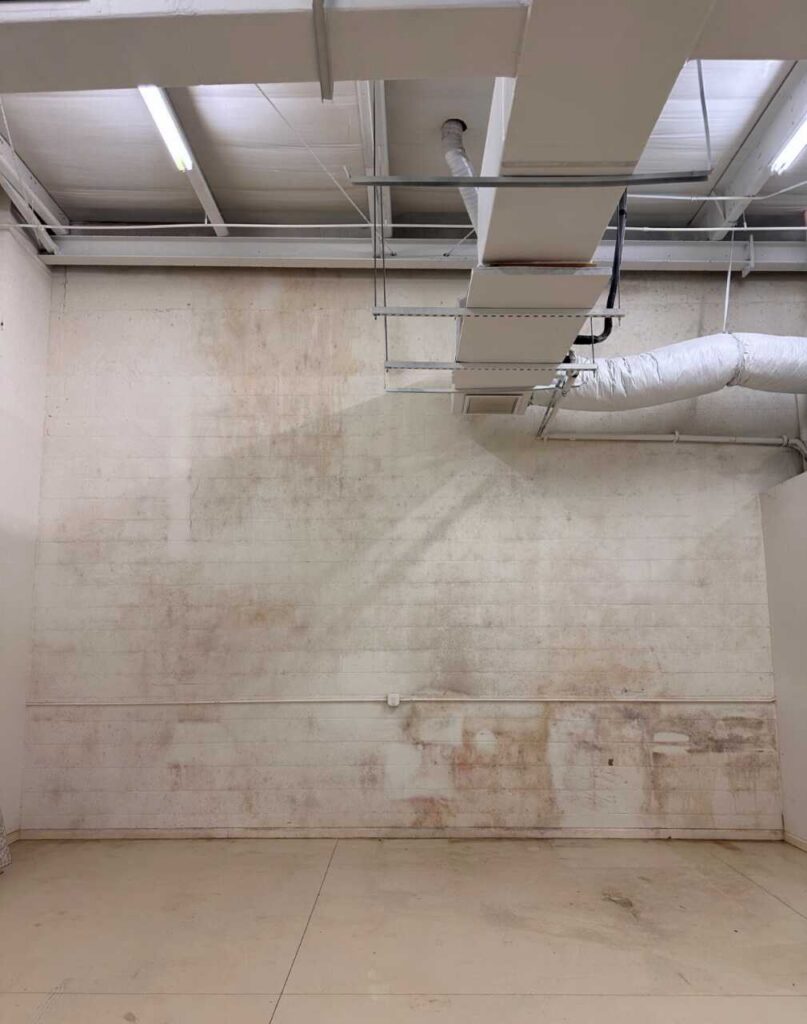
- Garage walls bordering landscaped beds where irrigation keeps exterior stucco saturated
None of these are automatic deal-breakers. Most are repairable, and documenting them clearly often gives both sides a basis for negotiating a credit or requiring remediation before closing rather than losing the sale entirely.
How Results Shape the Transaction
A clean report with no elevated spore counts and no active growth gives buyers confidence and gives sellers a marketing advantage, especially on higher-end listings in neighborhoods where buyers are already asking pointed questions about storm history. If the report does turn up active mold, the next step is usually a remediation scope and cost estimate, which a listing agent can use to negotiate a repair credit instead of a price reduction. Our mold remediation team can provide that scope directly, and once work is complete, a clearance test confirms the space is ready to close on schedule.
Landlords and property managers juggling multiple units face a similar calculus between tenant turnover and inspection timing, which we cover in our guide to mold testing for Naples rental properties. If you’re selling or managing property near the coast, our Naples indoor air testing page outlines how air sampling pairs with a standard visual inspection.
Timing It Right
The best time to schedule an inspection is before the home goes on the market or during the buyer’s standard inspection period, not after an offer has already stalled over a disclosure question. A few practical pointers:
- Schedule the inspection early enough that remediation, if needed, doesn’t threaten your closing date
- Ask for both a visual inspection and air quality test if the home has been vacant for more than a few weeks
- Keep the written report and any remediation invoices for the closing file, since future buyers or insurers may ask for them again down the road
An air quality test adds objective, lab-backed numbers to what a visual inspection can observe, which matters when a transaction depends on documentation rather than someone’s opinion of a smell. The Environmental Protection Agency maintains general guidance on mold and indoor air quality at epa.gov/mold if you want background on health-related exposure guidelines.
Gulf Coast Mold Assessing & Remediation LLC handles pre-purchase and pre-listing inspections throughout Naples, Marco Island, Bonita Springs, and Estero, with reports written to hold up for agents, attorneys, and insurers alike. Call 2392383061 or visit https://gulfcoast-mold.com to schedule a visit before your next closing date gets any closer.
Recent Posts
Why Attics Are a Hidden Mold Risk in Naples and Marco Island Homes
Attics in Southwest Florida homes trap heat, humidity, and moisture in ways that most homeowners
Why Vacant Snowbird Homes in Naples and Marco Island Grow Mold So Fast
If you own a seasonal home in Naples, Marco Island, or anywhere along the Southwest
Why Your Air Conditioner Might Be Growing Mold in Southwest Florida
Florida’s humidity doesn’t stop at the walls of your house. It gets pulled straight into